“Tsukanoma Yotogi Bito” (or “Give Me Taboo”) by “Yuiko Tsubokura”
From her first full album, the 1986 “Always in Love”. This song is a favourite on the internet for it’s upbeat tone and excellent singing, arising with the recent desire of the internet for 80’s Japanese City Pop. It’s also commonly hear in Future Funk mixes, as the flair of this song is undeniable. There isn’t much information readily available in English about her, however she is apparently still active and did work producing tracks for the notably great sounding “Bubblegum Crisis” and “Kimagure Orange Road”.
Available on Anchor, as well as Spotify, Google Podcasts, Stitcher and more too! Just follow the link!
This episode is about:
We’re back with a smoother, shorter and more luxurious sounding episode. This month we talk Lootboxes, the Sonic movie trailer and a bunny girl thief before our main segment on the 2017 show “Land of the Lustrous”.
The intro song is “Catch me if you can” from “Sonic Riders”. The outro song is “Knuckles Last Surprise Mix”.
Time Notes:
00:28 – Introductions
02:23 – What we’ve been up to (including “I want to eat your pancreas”, “Sarazanmai” again, “Detective Pikachu” and “Usosuki Lily”).
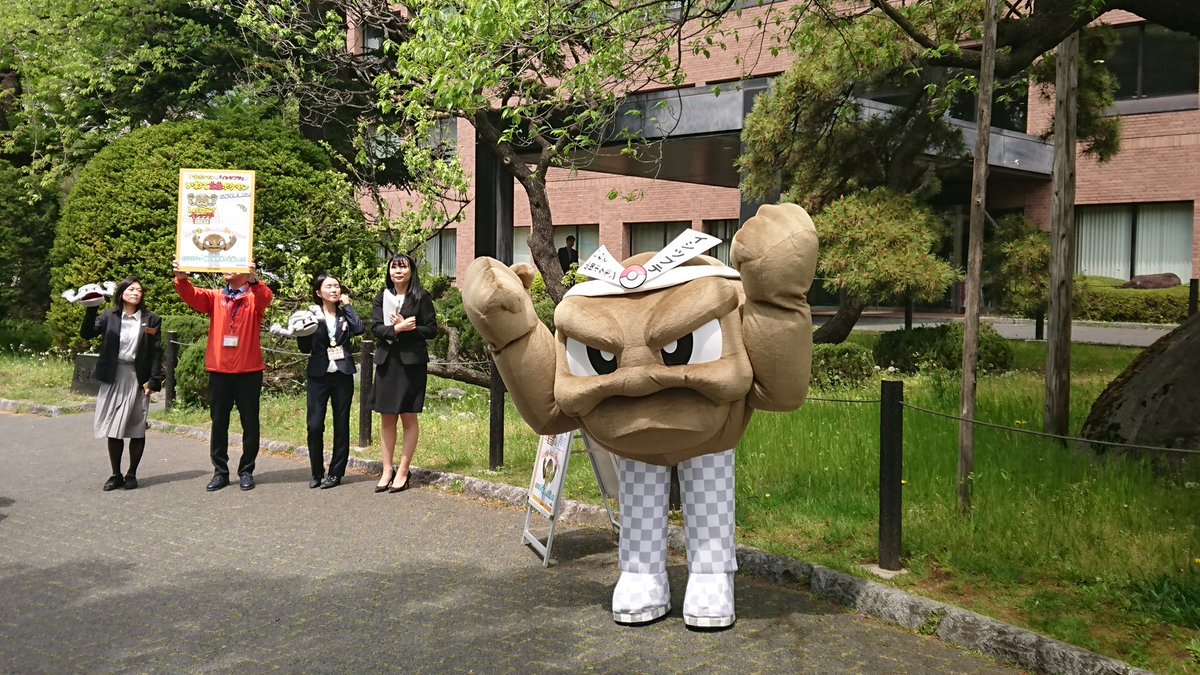
32:20 – News / 40:16 – Spindash Speedround / 45:16 – Epic Games / 45:57 – Netherealm and MK11 / 52:56 – More Persona 5’s / 57:40 – Tumblr 18+ / 58:55 – Gearbox employees love Randy Pitchford / 01:04:09 – Avatar 5 you guys / 01:05:52 – Respect Kizuna Ai / 01:07:11 – The cosplay thief / 01:08:40 – Project Prelude Rune / 01:09:40 – Lootboxes illegal? / 01:22:10 – Geodude saves tourism
01:22:55 – Land of the Lustrous discussion
01:44:27 – Outro
Feel free to follow us on Twitter. Any questions for the next episode? Send them to geekintheshellcast@gmail.com. Check last episode’s notes for the poll! @TouchOfWeeb @JollyMoggy @LaziYeti @SongOfSisyphus
I’m incredibly proud of my partner who recently started her own blog about her childhood as part of the Jehovah’s Witness’, in order to raise awareness of the organisation and the power it holds over people. When she first confessed to me about her childhood it was hard not to cry, the person I loved had gone through so many years of what was essentially mental abuse. In the three plus years since we’ve known each other I’m amazed by how far she’s come, from being alone with no one to rely on or confide in to being surrounded by people that care for her. Going from seeing herself as a sinful liar who doesn’t deserve to be happy to someone with dreams and aspirations that would have never been possible before.
It’s hard for me to believe that I have such a wonderful person in my life and she impresses me everyday. Not many people in her situation would be willing to go against their family and what they’d been raised to believe, following their conscience and trying to make not only something of their life but to then help others. It takes a lot of confidence to put out information so personal in the hope that it will help someone in a situation like her own and to raise awareness of a misunderstood cult that takes advantage of the weak and ruins lives.
I’ll support her any way I can, so please give her blog a look for an interesting and informative read.
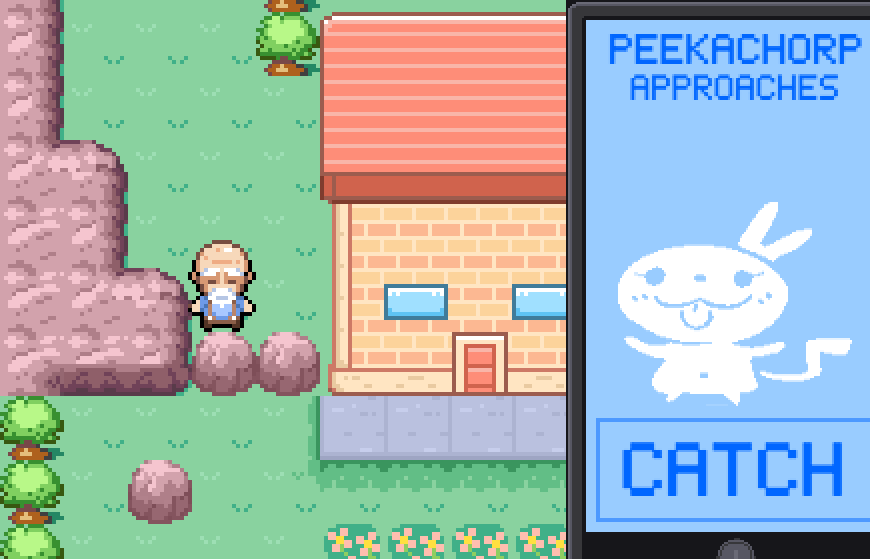
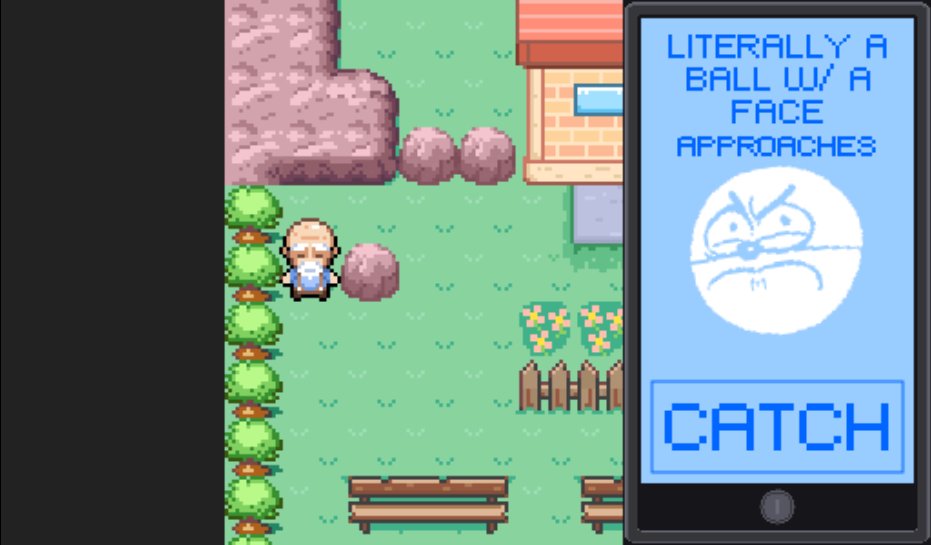
As part of a 2016 game jam “That Pokeyman Thing Your Grandkids Are Into” was released, a browser game made to parody Pokemon Go where you play as an old man discovering the fad. With the recent announcements for the new “Pokemon: Sword” and “Shield” loads of people I knew where losing their minds, but I realised I didn’t care. The franchise had been shuffled into that space of my mind where things I have no interest in live, like “Game of Thrones” or “Warhammer”. At some point I had become this old man, I don’t understand Pokemon anymore.
Pokefever hit me as hard as any other as a kid. I remember watching the first episode back in 1999 as a four-year-old with little discerning taste and it blew me away, I’d heard about it being popular in America (as the fad had made the news) and knew it was from this strange place called Japan. I think the reason it hit me so strongly was that it was my first experience with another culture that could resonate with me at that age, it was very distinctly foreign and broke the wave of ultra-violent 90’s anime that was the pushing point of the decade.
The franchise was huge and merchandise was everywhere, the success of the franchise was built around accessibility. Though shows like “Sailor Moon” and “Dragon Ball Z” had proved popular in the past they had more of an overarching plot which meant you had to stick with it from start to end. In comparison, though “Pokemon” did have on overarching plot it was pretty thread bare, concentrating more on a “monster of the week” format, except you could collect these monsters too through merchandise. It’s an odd amalgamation of shounen ideas from the 90’s that just seemed to work, with a more relatable cast of 10-year-olds rather than the usual high-school aged protagonists, it was the right amount of fantasy with foreign culture so as to not alienate Western fans. They may be fantasy creatures but they replicate things familiar to us, like pigeons or Bruce Lee. All this except these kids didn’t need to go to school!
This was no different with the games too, being aimed at a younger audience was not usually in line with JRPGs as text heavy number games. Instead the games focused on simple exploration and collection. Again the card game was the same, simple rules yet no one bothered to learn how to play, instead focusing on collecting and showing off to the other kids at school.
I even saved up for a Gameboy Advance just to play Pokemon and pretty much repeatedly played Blue, Leaf Green and Mystery Dungeon… the latter I never finished. Due to Nintendo games being so expensive why would I spend money on a GBA title when I could get numerous flashy Playstation games for the same price, especially as at the time review scores weren’t as readily available. Children such as myself who didn’t know better were burnt by shovelware like “Monster Inc” and “Simpsons Road Rage”, just look at this password screen, I still have nightmares about it! Pokemon games were particularly expensive and rare, so money savvy James stuck to the 3 for £20 section.
Pokemon acted as a gateway for me. From the anime I went on to see stuff like “Cardcaptor Sakura” and eventually seek out things like the Studio Ghibli catalogue, while with JRPGs I moved on to Final Fantasy and grew an appreciation for slower paced titles. However with this I outgrew the series, I got a PSP and started watching the big boy anime instead.
Jump forward to when I was 19 and trying to find anime to watch with my little sister. We’d gone through “Princess Tutu” and “Sailor Moon” when I stumbled across “Digimon” and decided to revisit the show on nostalgia. I was shocked by not only how well the show held up but by how much better it was than in my rose tinted memories. The characters weren’t just two-dimensional, it tackled darker themes and tried to do more than be just a kids show. With this I thought that I had to visit “Pokemon” again too, because surely that’d also be just as good as I remembered.
Now I’m not saying that the “Pokemon” anime is bad per se, it’s just not particularly good. Outside the well written and directed first episode and movie the show doesn’t have much going for it, a never-ending repetitive adventure of an eternally 10-year-old boy. It has its memorable moments and decent comedy but in an age where binge-watching on Netflix is the norm, an episodic show with no emotional pay-off doesn’t really hold up.
Jump forward to my time at university and the announcement of “Pokemon Sun/Moon”. A lot of people I befriended at university were still mad for “Pokemon” and got extremely hyped when it came to the new games, they even had a tournament at our yearly convention with a “Pokemon” battle league even being attempted. As such I just assumed that the anime was regarded as the bad nostalgia fueled part of the franchise and the games where were the franchise truly flourished. When one friend was talking to me about the franchise and I mentioned my limited experience with it he said “I have to lend you “Pokemon Ruby”, it’s my favourite one”.
As such I borrowed the game, excited to finally get the chance to play something that had escaped me during my childhood. I got about 20 hours in. What had made the game appeal to me as a child made it a bore as an adult, the game was just one huge grind. I guess this game had more of a story, but it was still threadbare which is a rarity for an rpg. You don’t need a story to have a good game, you could argue that here the emphasis is placed on the exploration and journey itself as you travel between minimally distinct towns having few reactions. The game is almost like a fetch-quest, except a self-serving one in which you collect hundreds of Pokemon that you will never use. The way the one-on-one battle system works it means some are just undeniably better than others, there’s no point in using most of them.
The game is incredibly easy, with tactics coming down to just using the strongest attack repeatedly as long as the enemy isn’t immune to it. I’ve heard the arguments that Pokemon at a competitive level is actually very deep and difficult, but I’m not about to grind for hundreds of hours just to fight people using all the same teams. It’d be like entering a fighting game tournament and everyone is using the two highest tier characters and playing them the exact same way. There’s no downside to healing whenever or minimal issue with losing, any problem in the game can be solved with a simple level grind. The music and visuals are decent for the hardware however, I can’t deny that. I remember the point I quit, just walking across a bland desert fighting a Geodude or Sandshrew every few steps, which took an annoyingly long time to kill.
This just left me incredibly confused, asking why so many people at my age were obsessed with a game I saw as bab’s first JRPG? Maybe stuff has changed in the newer titles, maybe the franchise has rolled with the times, but it was such a slog and a chore of a game that provided no challenge. It wasn’t terrible, I was just so bored. The designs of the Pokemon are generally good but nothing too interesting, especially most of the newer ones that seem to be coming out, like keys or ice cream. It doesn’t even seem to be young children that are fans of the franchise now, it’s more my own age group who grew up with the series. In addition, the fact that they released two copies of essentially the same game always bothered me, it’s just a way to make money by walling some of the content away. If the content from the other game was kept as microtransactions that cost less than purchasing the other game then people would be in uproar. I mean the last entry in the franchise was a remake of a remake, except now it had mechanics from the mobile game.
Does this make me an old man now, shaking his fist at the youth of today for liking game mechanics he doesn’t? Maybe, but this is my hill to die on. I don’t think the “Pokemon” anime or games are very good. I don’t understand “Pokemon” anymore.
We are finally podcast! Finally here to deliver all the nerd goodness you could want. I’m joined by fellow anime and gaming gurus Song, Mog and Rees to discuss how we fell down the slippery slope of nerdiness, to talk recent news, revel in the 40 anime questions and more. Not all future podcasts will be as long as this one, hence we decided to separate episode 1 into two parts. Find the show notes below!
Side A: 0:00 – Introductions 07:50 – What we’ve been up to (including “House of the Sun”, “World of Horror”, “Spring 2019 anime” and more) 51:00 – This month in news (including “Star Wars: Jedi: Fallen Order”, “Sekiro difficulty”, “Borderlands 3” and more)
Side B: 0:00 – The 40 anime questions 1:31:35 – The Super Secret Stolen Segment 1:39:05 – Outro
The intro/ outro song is “Matters to Me” by “Poker Face” from “Dirty Pair: Project Eden”.
In this episode we answered a question on anime harems, but who had the best? Answer our poll so we can determine who has the best taste in the opposite sex. https://www.strawpoll.me/17950448
As you can probably see I decided to change this from a weekly to a monthly piece because well… I kind of keep forgetting. I first found this band through the soundtrack to “Jet Set Radio Future” and just happened to click on the recommended album. From their a just fell in love, little did I know the band was pretty well known as a friend heard me playing it and said “isn’t this that band with John Lennon’s son in it?”. “No” I replied, “they’re a band I heard in a video game”, only to be shamed through fact checking. Formed by two Japanese women living in New York, their first album “Viva la Woman” was a mild success, all it’s tracks primarily related to food in relation to their band name Cibo Matto being Italian for Crazy Food. Following this they were discovered by Sean Lennon, who set about expanding the band to five members “including himself” and having a second album produced. This was “Stereo Type A” from which this track is taken, of which most songs are excellent (this isn’t even a well known or popular one…), however the band split in 2002 until 2011 when the original two members reformed in Japan to release their third album “Hotel Valentine” to mixed reception before their eventual break up in December of 2017.
One clear difference between Japanese animation and other TV series is the importance of openings. In most American series it feels like they don’t know what to do with it, it’s more of a hindrance in the way of the actual programme, just throw in the credits over a slow moving camera and an instrumental track then call it a day. In contrast for a more niche and as such competitive market, it’s a way for a company to flex its animation muscles for a lasting first impression. They need to stop people changing the channel, sell those VHS’ and release those cassettes so in some cases that means blowing the majority of their animation budget on a minute and a half music video.
As such here are some of the most vibrant, artsy and stylish intros for getting pumped and seeing the sort of spectacle that’s possible. It’s these sort of feats that popularised “Japanimation” and “Cool Japan” in the West:
Read Or Die The TV
I had an internal struggle over which R.O.D. intro to choose, as they’re both similar but have unique stuff I really like. In the other opening the pan of city drawn like a time-lapse shot and the zoom in on the key character at the end are excellent but the drop in pacing part way through is a little long despite fitting nicely to the music. In contrast here every second holds you with the excellent set pieces against the bombastic music. The character outline slowly walking in time to the increasing beat in red only emphasises the following action with contrasting vibrant blue seen in four quick angled action shots ending with a mini jumping out of an exploding building as the first trumpet sounds. From this point the credits frequently flash up as writing across nude women as if it’s a model shoot amongst slow pans of large busy cityscapes perfectly setting the tone while not lingering too long in one place or on one character. The way it uses angles and replicates cinematography techniques and camera focusing to slowly engage with the shows cast as the music keeps building, it’s all so memorable.
Gunsmith Cats: Bulletproof!
I’ve probably watched this more than anything else because it personifies classic ideals of “cool”. Inspired by American pop culture, as with the shows setting, this opening is rife with muscle cars and guns in a blue and red pop art style. As with many of the intros I talk about there is a nice balance between slow pans of large areas and quick cuts of close ups complimenting the music. Shots tend to consist of three base colours, such as blue, white and black, which makes shifts much more noticeable and motion more vibrant. The effort that went into these set pieces, getting the mechanisms right on the handguns for example, is evident. In addition the way the title keeps appearing, and especially the final few shots such as them staring at the sky in leather jackets and sunglasses, it’s just so cool that I love this immensely.
Lupin 3rd: Part 4
Lupin the 3rd has been seeing adaptions since 1969 and for good reason, the series is a classic with a clear jazzy style, but amongst it’s array of amazing intros (mainly mixing the same song where the sole lyrics are “Lupin the 3rd”) the opening for Part 4 delivers exceptionally. The use of vibrant colour shifts and filters seems to be an ongoing theme here, but that’s because it just works so well. Framing is used excellently here, with various elements moving between the layers of animation, all which managing not to seem too busy, in addition to transition effects that are extremely stylised. All this with the production company flashing their fancy new animation methods and budget. This series marked a new beginning in the franchise characterised by the title characters new jacket colour, with a 30 year gap since Part 2 aired and aimed to deliver on what fans had wanted for years. Though quite different the intro to “The Woman Named Fujiko Mine” is also notable for it’s pencil style and dark tone as the title character narrates over the instrumental “Wuthering Heights”, it’s just very NSFW.
Michiko and Hatchin
Sometimes it’s hard for Japanese animation companies to express the feelings and ideals of another culture through their work, but not here. Michiko and Hatchin’s colourful, exciting and gorgeous opening captures the liveliness of Brasil in a way that sets the scene before the show even starts. With music production by Shinichiro Watanabe (of “Cowboy Bebop” fame) his knowledge of Western music fits perfectly into the show. This is helped by the characters non-Japanese designs that are unusual in anime, the sounds of upbeat trumpets driving them on in their adventures through slums and deserts.
Sailor Moon
A lot of people seem to forget just how excellent the original intro to “Sailor Moon” actually is, lost in favour of the catchy American opening it was replaced with. Here they manage to capture the distinct shoujo artstyle of the manga perfectly with some impressive animation for the time. The light yet colourful tones compliment the fantastical scenery well, with Usagi lost amongst large set pieces searching for love and companionship. There’s a lot of walking and gazing into the distance in place of action but this works well amongst the mystifying hue of colours. I’m also a fan of the various patterns you can see displayed across background elements, making the setting stand out even more rather than just standard images of Tokyo.
Dirty Pair TV
Earlier I mentioned the use of backgrounds elements crossing layers of the animation and moving into the foreground, this opening does this perfectly. When I first discovered “Dirty Pair” I felt like this was the kind of show I’d want to make. Apart from the quick flashing lights at the start, before our heroines appear, shoot the screen and pose next to the logo which is shaped like a pistol, the rest of this intro is shot as if being watched on a big screen upon a bustling street. I adore how the the action switches between the screen and the street below, it’s so lively and fun alongside the great song “Ru-Ru-Russian Roulette”. It has a very “80’s” colour screen switching from pinks to blues, it manages to express the fun factor of the series while retaining style. I especially like how how Yuri does the super 80’s anime finger gun to shoot the screen towards the end, a more fun take on Kei’s more serious pistol shot at the start.
Dirty Pair: Project Eden
I normally wouldn’t want to have numerous clips from the same franchise but the opening to the Dirty Pair movie is just too good not to show. You’ve probably seen footage from this across the internet as gifs of this beautiful animated piece are common, especially on the future funk side of the internet. Coming in following the explosive opening scene this intro is something they could only pull off with a movie budget, not only is this the most colourful intro I can think of but this film has the best soundtrack. It plays like a Bond movie opening, but with robotic imagery mixed amongst flirtatious and dangerous women. It screams of hiding sorrow beneath a life of luxury, just like the lyrics say it’s a “beautiful nightmare”. The one shot where the throwing knife is caught in the woman’s mouth is superbly animated.
Ghost Hound
The amazing jazz of Mayumi Kojima is one of the highlights of the intro to this horror series. This whole opening is filled with dark and murky imagery, starting with birds against a clouded sky to a worker surrounded by steam, it tries to blend the man made imagery against the eerily chilling natural environments before mixing in the supernatural. It tries to express the idea of something hidden amongst everyday life, with an opening that despite the upbeat music tries to remain very grounded in tone as seen through its grounded colour scheme. Nothing is made to stand out too much, not even the title crawl. I particularly like the close up of the animals, followed by people and then a supernatural beast, overall it’s the tone that comes across strongest here.
Space Adventure Cobra TV
This is one of the few slow and moody intros I’ve included but it’s one that works really well. Firstly the animation in this is excellent, especially the background animations showing space rushing past, creating an atmosphere of wonder and intrigue which is brought forward onto the protagonist as he slowly comes into view. The progression of the slowly approaching silhouette, to him kissing his gun arm and finally firing it in time with the singer’s methodical chants is brilliant. The final shot of him approaching dodging projectile like shapes with ease helps to highlight the over the top style here. The framing emphasises the ideals of beauty and mystery to suit the adventurous tone of the show itself and is perfect for such a character driven series.
Beck: Mongolian Chop Squad
This is a very different opening to a lot of others I’ve included due to it’s lively tone as the director of Beck attempts to frame the intro like an American music video. Across this whole video the ideals of the “American road trip”, with travelling musicians starting from the bottom to build themselves up can be seen. Instantly the scene is set up large obnoxious signs for diners, casinos and churches. Against backdrops filled with metropolitan imagery and empty deserts, it really gives the feel of a journey through cities, ending amongst skyscrapers. Beck does an excellent job of catching the style of Western rock culture here in a way that many others would struggle to show, with the characters singing along this introduction provides more of an emotional look at the character’s dreams and desires.
Overman King Gainer
Looking at this intro I think “yes, this is definitely a Tomino show”. As the director of Gundam as well as many other weird and unusual shows, Yoshiyuki Tomino is a fan of spectacle and this opening displays all his tricks. Stormy weather with unclear visuals as a choir calls forward the “hero”, lyrics repeating the mecha’s name as it shoots througha bright blue sky before the flamboyant title screen appears and moves to the music’s beat. Slow pans of impressive landscapes set the scene before zooming in on characters, but then it switches to the “as of this moment” sheltered protagonist against a blank backdrop, who is then summoned by others, discovers the mecha and slowly matures into a soldier. In addition the character designs are all fun with flashy colours defining them. Now I won’t lie, most of the reason this is included is the fact that all the characters do a fun dance in-front of crawling text a la Star Wars, showing that this show priorities human feeling an emotion before lore and war like earlier Tomino works. The protagonists dancing in a forest together is really cute and emphasises this previous point, before a Tomino favourite of the cast reaching out their hands to the protagonist. Overall emphasising characters and emotion through crisp visuals make this memorable and really enjoyable.
City Hunter
“Go Go Heaven” is an excellent song and this is an excellent opening where the stylishness comes from the fast paced action shots. It’s incredibly character focused, with most backgrounds being blurred colours, but this just emphasises the feeling of motion. The framing of spotlights on characters against brick walls and a slow movement across late night cityscapes provides the prefect tone, there’s even a disco scene! The background changing with every gunshot he makes is an additional nice touch, The characters are framed excellently like it’s a series of shots from modelling photo shoots, style provided through cinematography.
Future Police Urashiman
So 80’s it hurts but in all the best ways, I was instantly pulled in by the clashing vibrant colours and strong science fiction imagery alongside classical imagery signifying wisdom, like the Thinker, Chess and the Sphinx. It’s a great blend of different genres before the characters are introduced through flashy short introduction sequences that are all really unique. You can tell they’re really fans of spinning camera angles and rainbows in this one, everything is so visually striking it’s kind of hard not to love it.
Bakuretsu Hunters
Just like the previous intro was extremely 80’s this is quintessentially 90’s as the font flashes in part against vibrant comics style colour schemes. A lot of the techniques used here were common trends of the time, such as a close up of the protagonist’s fist reaching to the sky and a slow pan away from the villain, but it’s the fact that they’re all done so well at such a lightning pace that really makes it. The characters are introduced with a spinning single colour frame before a series of shadowy yet bright action shots, while later shots have character faces streak onto the scene in white rectangles, it does an excellent job of setting the tone and introducing the characters while being colourful and fun. While again close up shots of a nude woman with two or three basic colours and the show title always works and looks flashy done like this.
Kimagure Orange Road
All the intros and outros to this show are great, at the last minute I decided to use this opening instead of the first which is choreographed really well with a song I prefer but commits the carnal sin of using footage from the show itself. With the art style seen here we get a much more “80’s music video” vibe, reminiscent of something like “Take on Me”. The first thing that hits you with this is the sketched art style which looks so unique and full of motion. Rather than flashy vibrant colours this opening is slower with the waving black and white pans slow pans with one item of a different light tone in most frames. Amongst this we get shots of the characters playing instruments in a school gym, with varying shots reminiscent of different music video styles. This feeling is only escalated by the TV style static and the beginning in particular which shows quick cuts of a CRT playing the first opening to the show.
Though I have undoubtedly forgotten some I really need to stop. There’s a wealth of amazing animation out there, what are some of your favourite openings?
Not had much time to write recently and it hasn’t been a great week so I’m choosing the easy route and going with another Catatonia song I’ve been listening to. The 1998 song was their highest charting at #3 in the UK. Surprisingly I’m not that knowledgeable about the “X-files” and neither were the band, the song acts more as a metaphor for relationships seeming alien, in the fight against loneliness you have to figure out the truth behind love.
I like to think I know a lot about music. I’m pretty much always listening to something, as it helps me keep my mood in check, so I’ll probably have destroyed my hearing by the time I’m 40. As such I wanted to do a weekly recommendation from classic rock to 70’s Japanese jazz. I recently remembered this song exists so I’ve been listening to it a lot to help me stay chilled, because surveys say there is no sound more luxurious than when singer Cerys Matthews says “roaaad rrrage”. Though the alt-rock band formed in 1992, it was in 1998 that they made it big with the release of their 2nd album “International Velvet”, which reached number one in the UK album chart while this song in particular reached number 5. The band broke up three years later though as Cerys Matthews went into rehab, though they’re remembered as a band with poetic lyrics about mental health. Plus as I’m almost done learning to drive this song is more relevant.
I was unfamiliar with the source material of “Rinshi!!” Ekoda-Chan”, a series of 4-koma or 4-panel gag manga which ran from 2005-2014, but what attracted me to the 2019 series was the unique production style. They gave twelve directors free reign (within reason) to each create a 3-minute short based on the source material, which included the art style, lead voice actress and music composers. As such this was an art series which, thought nothing revolutionary, was an interesting look into how different key figures in the industry interpret the same work in different ways. It’s also an educational insight into the medium of directing, with each episode also followed by a 22-minute interview with the director, lead voice actress and occasionally additional staff. I didn’t watch these segments in full though, it depended on the ratio of how much they talked about their vision for the episode versus how much was spent on irelevant stories like how the production team met.
The manga is the sole work of Yukari Takinami and ran in the “Monthly Afternoon” magazine for an adult audience. Being 25 when it began publishing, Yukari based the manga shorts off her own life as a single woman in Tokyo without a goal, drifting between relationships and jobs (usually hostess bars). Clearly it’s aimed at a very specific audience, relateable shorts for working women, despite most anime directors being middle-aged/elderly men. Titular character Ekoda seems to be framed as an out-there city woman who sits at home naked and battles against “moukin”, or “birds of prey”, women who use cuteness as a weapon to get ahead. There was a previous series of shorts in 2011 however it isn’t widely available. Though there are many other series consisting of different director’s works, it’s rare to see such a variety of takes on the same property.
Episode 1 – Directed by Daichi Akitaro
Previous Works: “Fruits Basket”, “Now and Then, Here and There”, “Sexy Commando Gaide”, “Nurse Angel Ririka SOS”, etc.
I remember the interview of this episode specifically as it starts with Akitaro saying how the shows he’s worked on similar to this didn’t do well and that he was tempted to turn down working on this because he doesn’t like having so little time to tell a story. Not the best way to start your series off perhaps. He has a lot of previous directoral roles but they vary a lot in quality, many just being average with somewhat heavy handed plotlines. He seems to have a “tell rather than show” style.
This is a very “by-the-books” adaption leading to just a generally fine episode. It’s made up of four short segments that give a good showcase of the character and the tone, seperated by short clips of her dancing naked to lively music. The first sketch covers the difficulty of seeming mature for her age, the second is about societal independence meaning less chance to rely on others, the third about people being physically draining and the last about feeling like she’s gone nowhere in life. None of the jokes hit particuarly well nor is the art style used in an interesting way, instead just looking cheaply made. The rhythm of the show works well however, you can tell he wanted to get through as much content as possible but in the end this was more detrimental.
Episode 2 – Directed by Sugii Gisaburou
Previous Works: “Dororo” 1969, “Night on the Galactic Railroad”, “Street Fighter II Movie”, “Arashi no Yoru ni”, “Glass Mask”, etc.
This is a far more interesting episode than the first (and not just because I’m a huge fan of Gisaburou’s “Night on the Galactic Railroad”). Gisaburou is considered a classic director, with his use of dramatic and meaningful set pieces. This episode consists of Ekoda sat plucking her eyebrows and lining the hairs up in rows on a handkerchief, while her partner she’s sharing a bed with speaks to his girlfriend on the phone, saying how he’s “definetly not seeing anyone else”. A “battle of attrition” is the term used, and each pluncked eyebrow represents the pains of each day which she lines up with a sort of pride. The other metaphor used is waiting for her train to come, surviving the desert heat with that hope in mind. The skit with her overthinking how to lie in bed because it could show her as needy or distant is particuarly amusing, overall this is one of the series’ stronger episodes.
In this episode all the characters are animals. There doesn’t seeem to be a reason for this other than to achieve a more lighthearted tone with the humour and other than that their isn’t too much to say about this episode. It has a similar format to the first with short skits seperated by a still shot of Ekoda with a rose in her mouth, however the overall tone between them seems far more streamlined, perhaps due to the colourful art style. The director is know for more lighthearted family comedies and that certainly comes across here. The general style of these skits sees Ekoda more as a third party, commenting on the aforementioned “birds of prey”, jealousy with her sister and aquaintances’ stories of romance. It seems more like he wanted to depict Ekoda as a hard worker who gets the short end of the stick generally.
Episode 4 – Directed by Tomomi Mochizuki
Previous Works: “The Ocean Waves”, “House of Five Leaves”, “Battery”, “Pupa”, etc
This is one director with a mixed track record, personally I’m not a fan of his style and though this episode is decent I found it one of the most forgettable. This episode weaves together a few sketches to chase the idea that by being too independant she never realised she was cutting herself off from others. Here Ekoda is not a typical woman, but her uniqueness acts as self sabotage. A lot of the focus here is on her relationship with her partner “Ma-kun”, or rather how he sees her as a friend with benefits. He doesn’t want what she wants but Ekoda is too unwilling to act, just taking life as it comes and realising that it has escaped her. The themes are clear and the episode is going for a laid back feel, but with the toned down art style there isn’t really much great in this one other than the interesting take on the character which Mochizuki seems to have.
The art-style does a lot for this episode, with pencil like sketches really standing out, working well with the more whimsical nature in this short. Fast paced and weird (in a good way), Ekoda paints herself to become a hero before taking on a lizard, cockroach and mosquito. The idea seems to be that she is too carefree to live as a pet owner, with only a little bamboo plant in her home. It also flashes back to other manga skits, some of which were shown in previous episodes, but just using the punchlines so it largely works well. The way they show motion through the animation is visually pleasing, while the sound effects and music being done by human voice is a nice touch. Yonetani has shown himself to be a decent director and though this episode isn’t the most stand-out it’s weirdly fun.
This is the rotoscope animation episode. Rotoscope is the process of animating over live-action footage frame by frame, giving a strange uncanny-valley feel. I’ve always liked the process because of how unusual it is, though many would regard it as “ugly”, having notably fluid animation and often choosing a more realistic and muted colour scheme to match. Takahashi is also considered by many a classic director for producing some hit, but mainly more niche, mecha series, in particular “Votoms”. As such this is a very different approach than I’d except for one usually dealing with the fantastical and melodramatic, a down to Earth depiction of a working woman. Aiming for a nice and positive feel rather than going for humour, as Ekoda returns from work and cooks naked before recieving a call and abandoning her meal for a night out. It tries to push the metaphor that women have many sides to their personality and that at her age she still has a youthful cunning to her, a passion that she has yet to abandon. Overall enjoyable but quite forgettable.
Episode 7 – Directed by Shin Misawa
Previous Works: “Gingitsune”, “Hang in there Tsuyoshi”, “Time of Shura”, “Fire Emblem”, etc.
Misawa is a man without many works under his belt, other than “Gingitsune” many are unknown in the West and have little acclaim. This is an episode that manages to work well as an entertaining and fun idea. The concept is based around the “red string of fate”, a sort of Eastern fairy tale (with a gruesome basis) that binds lovers together. The majority occurs in Ekoda’s dreams, as she discovers the aforementioned “Ma-kun” is not bound to her, so she attempt to follow her string into a giant sky ball of string to try and tie their fates together. This leads to her failure and realisation that the only people in life she has a fate with are her mother and sister. It’s a dark take done in an amusing way. The background art and spectacle are impressive, however the character art doesn’t quite match, looking a little out of place.
Kojima largely handles adaptions closely to the source material, small changes to keep the vision of the creator the same. It’s good to see him get a little more freedom here, as he centers the episode not on Ekoda but “friend M”. It starts with “M” at a party, drinking with a table of drunk guys who are discussing rumours about Ekoda, like her real job, asking where she is. It’s based around her friends growing jealousy but when she goes to see Ekoda and sees her dateless she kind of forgets about that, caring for her instead. It’s a sort of friendly rivalry and respect that shows how others view the titular character, as someone living a carefree lifestyle with its ups and downs. I really like the letterboxing effect as if it’s being shown on a CRT and the way the artstyle juxtaposes the sharp character models on a flat less-defined background looks great. An episode that doesn’t say a lot, going by quickly, but charming nevertheless.
Episode 9 – Directed by Takeo Takahashi
Previous Works: “Citrus”, “Maoyuu Maou Yuusha”, “Spice and Wolf”, “Rokka no Yuusha”, etc
This was actually one of the most memorable episodes, with the whole short being told from a first person perspective as Ekoda works at an insurance company call centre. The way you hear her inner thought trying to pass the time, to find joy in her menial task, is really entertaining and works great in making her seem like more of a relateable character. By having more people in the shots across the office it feels less like a look into a woman’s sad private life and more like she’s being watched as part of the corporate machine. She’s unable to even stop when disaster strikes and her work colleagues go mad at a sudden change to their routine. Visually this episode looks really nice, more due to the lack of first person viewpoints used in the medium. It’s a shame that this was the only episode without a director interview because he gets anxiety being on camera apparently.
Episode 10 – Directed by Hiroshi Nagahama
Previous Works: “Aku no Hana”, “Detroit Metal City”, “Mushishi”, “The Reflection”, etc
The worst episode. NEXT!
…
Okay I guess I have to talk about it. I had hope in the first 15-seconds as a bright blue and yellow Ekoda appears on screen in front of the chair from “Mastermind” for a quick introduction. The rest of the episode is a song about Ekoda, sung by five voice actresses sounding like they’re having an emotional breakdown while stood behind a curtain with their heads inside puppets that then have the faces animated over. Nagahama directs some weird shows but this is the most bizarre thing, if you can call it his work. The idea was actually from his modern artist friend who makes mannequins and he though “it’d be so weird that people would find it hilarious”. Well it’s so weird that it’s kind of terrible, so you met one of your goals there. The song lyrics aren’t even amusing, it’s just a general summary of Ekoda’s personality.
30-seconds into this episode I thought “I bet this guy directed Beck or something”, low and behold I was right. This episode is my favourite visually, with the sketched aethestic looking gorgeous, while Kobayashi’s signiture “rock” style is apparent. Surprisingly Kobayashi hasn’t worked on many shows as chief director, thought I can believe that from the interview which is done not in the recording studio but at what looks like a bar. The interview is more of a conversation between him and his four voice actor/musician friends who he had in the episode, without them actually talking much about it, as music seems to be his main passion. This is actually a good thing, as the material of the episode works better with the director’s style, with great music and art. The episode consists of Ekoda going on a date with a rock fan, then a shoegaze fan, who seem obsessed with their musical choices rather than paying her due attention, labeling them as “worthless guys”. This is one of the standout episodes and very enjoyable to boot.
Episode 12 – Directed by Kouji Morimoto
Previous Works: “Memories”, “The Animatrix”, “Genius Party Beyond”, “Fly! Peek the Whale”, etc.
Morimoto is one of the founders of Studio 4°C, a studio well known for their shorts and video game cutscenes, and as such he works almost exclusively on shorts which is a rarity. This interview section is actually pretty great as it starts with him saying “they told me I could do whatever I wanted but then they kept turning down my ideas saying we couldn’t do that. So what if there are nipples, we all have them so I don’t see an issue with them on a late night cartoon”. Though the animation frames here are limited, it looks more stylish than cheap (unlike in episode 1) with the sharp lines and colour flair. The focus of this episode sees Ekoda sat watching TV in her apartment while pretending to be ignorant of her age to maintain her carefree attitude. It’s one of the few humour based episodes where the joke punchlines actually hit quite well. Plus what better way to end this bizarre series than by having her heart swayed by catgirl idol singers before flashing a stalker. I feel like the show is trying to display the importance of living life as you see fit and not worrying about expectations or the “norms” that society puts on women, especially in Japan.








 Geek in the Shell