Available on Anchor and Spotify, as well as essentially all the things! Just follow the link!
This episode is about:
Our first new episode in almost 2 years and it’s a long one. Don’t ask why this is over twice as long as our last quiz episode, it was extra effort to edit. In this special I once again try to pit my co-hosts against each other, but it’s more like they’re pitted against me with the unfair questions I’d prepared. Who will be champion of the internet? Who will take home a fabulous prize? How do we feel about Ross from Friends? Find answers to these questions and more.
Next Episodes: Bokurano & Night in the Woods
Any questions for the next episode? Send them to geekintheshellcast@gmail.com and maybe we’ll read it.
Available on Anchor and Spotify, as well as essentially all the things! Just follow the link!
This episode is about:
Recorded in the dark days of 2020, we ranked the cast of every Persona game to produce a list that was almost entirely compromises. I put off editing this because I was going to make it into a video, but instead take it as a bonus episode. No matter what anyone says F is for Futaba and the tier she belongs in.
Next Episode: Return of the Quiz
Feel free to follow us on Twitter. Any questions for the next episode? Send them to geekintheshellcast@gmail.com and maybe we’ll read it. @TouchOfWeeb @LaziYeti @SongOfSisyphus
I’ve been in a bit of a rut when it’s come to anime recently, but despite that some great shows from last season put me back in a watching mood. So what’s best to do to avoid getting burnt out again? Watch something from my backlog that I know I’ll enjoy? Psshhaaaaa, time to watch an excessive amount of newly airing shows. Now I’ve made this mistake in the past, I’ve sworn off seasonal shows time and time again, knowing I always give up part way through as I struggle to keep focus on shows over such a long period, but unable to scratch that itch always crawl back for more. With 16 new shows picked up you’d think that’s be the case again but no more, for shockingly this is one of the highest quality seasons I can remember for anime releases.
The best way to deal with these impressions is probably by ranking what I’ve watched from worst to best. There are a couple of outliers, for example “Godzilla: Singularity Point” is something I’d rather wait to watch when Netflix decide it’s time to grace us with it, while “Zombieland Saga Revenge” I’m waiting for the dub release having just started season 1 (As an aside I wasn’t expecting to enjoy it as much as I was, I was just interested in it for tourism purposes initially). Otherwise nothing else interests me enough to add it to a schedule that’s already left me spread thin.
There’s only one show still airing from last season that I’m also following, “Back Arrow”, though I thought it best not to rank something I’ve seen 15 episodes of against things with only 1-3 at the moment. From the director of “Code Geass” (which I haven’t actually seen shuuush), “Back Arrow” followed an amnesiac in a walled country attempting to escape with a hillbilly tribe, despite the country being at war between a “Romance of the Three Kingdoms” style empire and Medieval castle town. This is a show I’d actually decided to drop after 5 episodes, however I was won back over by some crazy screenshots on Twitter and I don’t regret it. I mean episode 6 was about liberating a Pretty Boy farm, other highlights being “Rose of Versailles” references, a mad doctor with his own backing choir, a man with a tiny face and a man named Bruh. The show is trashy but a fun kind of trashy with the entertainment value of something like Fast and the Furious. I don’t recommend it but wouldn’t advise against watching it either, it’s one of those deals.
16 – Jouran: The Princess of Snow and Blood
Set in an alternative history 1930’s, Jouran follows a member of the secret government squad “Nue”, an assassins who also deal with threats of the supernatural kind. Our protagonist can transform into a creature reminiscent of Yuki Onna (an ice woman yokai) with skeletal features, who has been raised by the group on a path of revenge against the person responsible for her families slaughter. There’s also a child she’s adopted whom parents she killed. Sounds great right? Well despite the high production values and impression leaving art style, the show falls a little flat in terms of writing and plot. The dialogue seems stiff and the characters leaning towards one note. I’m giving it more time, because I can see a lot of promise, especially if this is going to be a multiple chapter franchise as seems to be the plan, but chances are I’ll be dropping it soon.
15 – Farewell, My Dear Cramer
From the creator of “Your Lie in April” comes sport! The ol’ game of footy! Despite being British I have no love for the beautiful game, but decided to tune in due to the creator’s highly celebrated previous work (which again I haven’t seen yet). The story follows the newest members of a female high school football team, a team that the alumi and world famous female football player aims to return to its former glory, to reignite a love for women’s football within Japan. It’s fine, so far they’ve done a decent job of introducing the characters but I wouldn’t say any of them are hugely likeable, it’s also strange seeing a sports anime trying to balance an introduction to a sport that a lot of people are already familiar with. The show has been fairly standard for what you imagine a sports anime to be like, I’m just waiting for it to gain some flair. A lot of negative impressions seem to be coming from this show, mostly due to the art style. I’ve seen many claiming it to be ugly, and though I wouldn’t go that far it is fairly bland looking in comparison to the polish of the manga designs. Another potential show for dropping.
14 – My Hero Academia Season 5
I feel like I don’t need to say much about this show, everyone knows what it is. I’ve never been head over heels for it, but did thoroughly enjoy the first few seasons. However, as time has gone on there’s been a noticeable quality dip and this new season doesn’t seem to be giving me much reason to get excited, as with the average fourth season. I think the filler first episode of each season, which spends most of the run time reintroducing the expanded cast of characters doesn’t help, in fact all it does is act to remind you how many great characters remain underdeveloped. Though my hype has largely gone, with the show becoming more of a chore, there’s definitely still enough good for me to see it through to the end. Perhaps the current tournament arc will give some well needed spectacle, I can only hope the stakes start to get raised sooner rather than later though.
13 – Shaman King (2021)
I never saw the original “Shaman King series” and it’s not something I’m particularly familiar with, it largely seems to have been shafted by Shounen Jump and left forgotten. As such I was surprised to see the remake announced, however I somewhat question if it was necessary. It’s certainly a dated show, the kind with an annoying short main character who’s just there to narrate over the action sequences, but it’s not without it’s charm. I’m also up for some classic Shounen Jump style mindless fun, and this largely seems to fit the bill, crazy anime hair and all.
12 – Bakuten!!
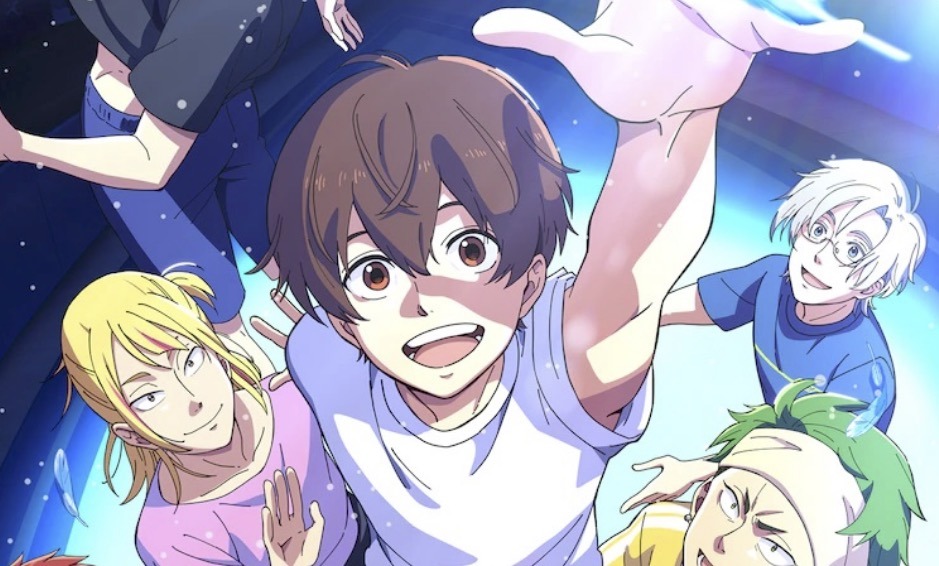
“Bakuten!!” or “Backflip!!” is our second sports anime of the season, though already showing more promise than the previous one. Our protagonist is a middle schooler who is largely relatable in that he’s just a nice guy who goes with the flow in life, joining the baseball team and spending that time sitting on the bench, his life lacking passion. That’s when he stumbles across the world of men’s rhythmic gymnastics and decides to join a specific high school after being mesmerised by their undermanned club’s performance. Not only does “Bakuten!!” have the appeal of a unique sport but it also has pretty boys and charming characters, the pilot was just very heart-warming and though not stellar by any means was enough to win me over. I’m not too sure about the long CGI gymnastics sequence early on but I’m not sure if it was actually bad or just too noticeable.
11 – 86
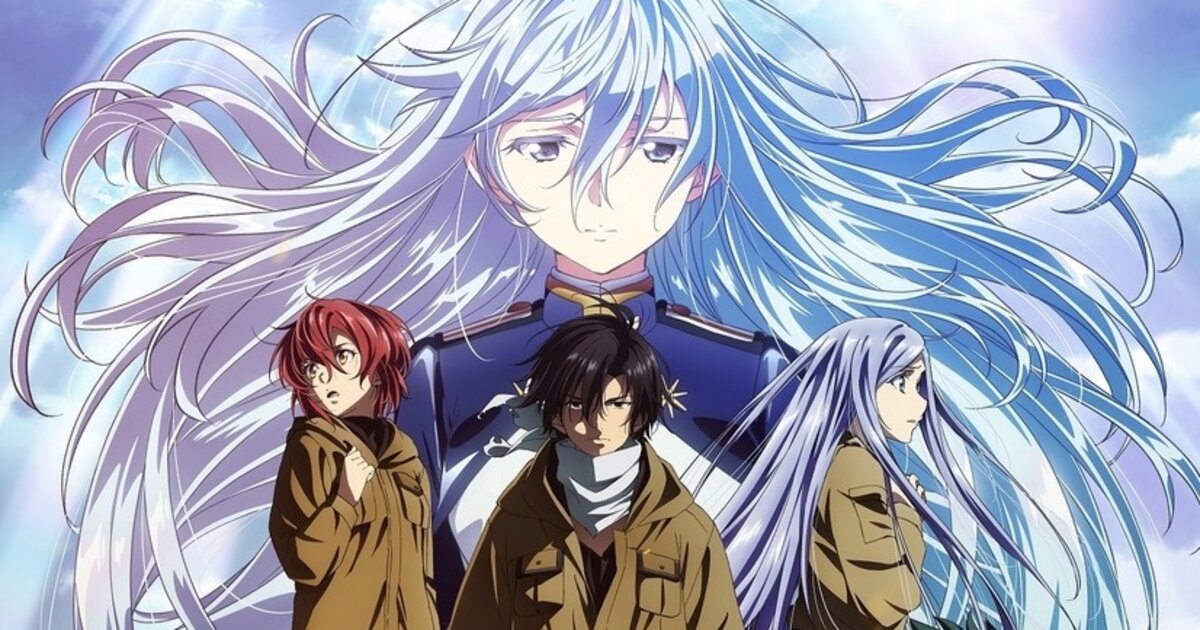
Seemingly one of the more high budget and polished shows of the season, “86” focuses on a young army major in a traditional European style yet futuristic setting. Following in her deceased father’s footsteps she chooses to be a squad leader in a war planned to last 2 years, however rather than leading in person she’s tasked with linking with a group to guide them into battle as a handler. Why the term “handler”? Because the soldiers in question are seen as sub-human, living sperate from the populace and forced to fight, so far our protagonist being the only person to see them more than just tools, with other drunk middle aged men laughing over losing “a few drones”. Being moved to a new squad, supposedly cursed with their previous handlers losing their minds, I can largely predict where this show is going to go in terms of narratives on war, racism and politics, but it seems largely promising and with a presentation to match.
10 – Vivy: Fluorite Eye’s Song
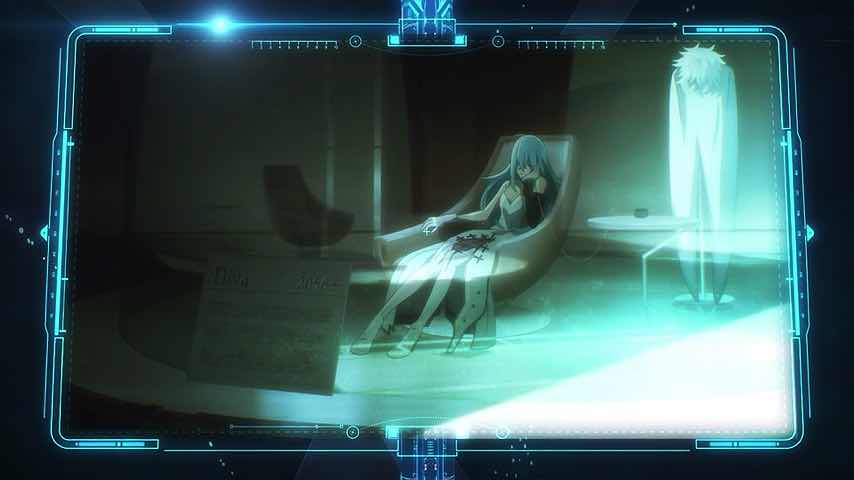
Speaking of shows with a lot of polish, “Vivy” is an adaption of a light novel series by the creator of “ReZero” (again not watched, I need to be more mainstream). Set in a future where AI has progressed to a level where it is used in everyday life, our protagonist is the first human-like AI, working at a theme park as a novel idol character called Diva. She is visited by an AI from 100 years in the future in a scenario similar to “The Terminator”, as they aim to work together to prevent the extinction of the human race at the hands of evolved AI’s. It reminds me of Ghost in the Shell, but less about the lines between man and technology and more about the dangers of technology and the skewing of human rights. With a large scale time-spanning plot I can see this much higher on other people’s lists, I’m just not a fan of the art-style and character designs personally, plus the pacing seems to be an episode of set up followed by an episode of action, however it has spectacle and enough direction to back it up.
9 – Tokyo Revengers
Thinking about it, this show doesn’t deserve to be this highly listed at the moment, but the potential of this show has really got me engaged. It’s essentially “Erased” with delinquents, giving a spin on the now familiar time leap plotline. The protagonist has led a disappointing life where nothing has gone right, but upon returning to his teenage self he remembers his feeling for his now deceased girlfriend and decides to take over the gang at whose hands she dies 12 years later. I have a soft spot for delinquents and time travel stories, so it’s a match made in heaven for me. The manga seems highly regarded and has some nice artwork to match, which gives me a lot of hope that I won’t be let down here.
8 – Fruits Basket: The Final
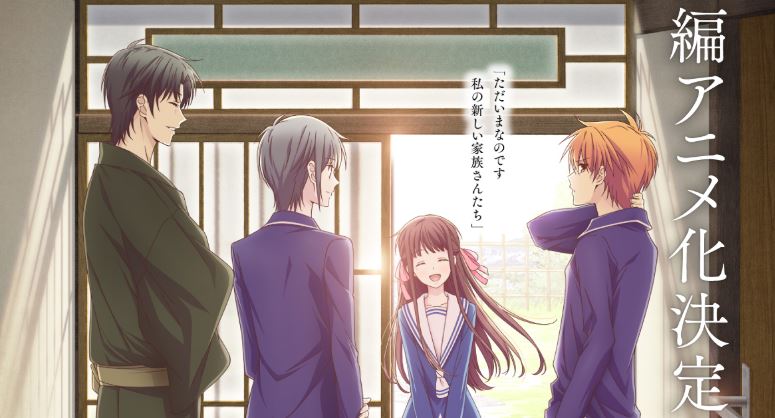
I was never familiar with the original “Fruits Basket” manga or series, so when watching the first season of the remake I came away with the general impression that it was good, but the heavy shoujo influence and love triangle aspect wasn’t for me. The second season manged to hook me though, with plot twists and great character writing exploring abuse and love, as such I’m genuinely excited to see how the show will end. So far I haven’t been let down by the premise and expect a solid tale, who knew a show about pretty boys turning into animals could be so engaging and emotional.
7 – Shadows House
“Shadows House” was no where no my radar and to my dismay has nothing to do with the Sonic character of the same name. It does however offer a beautiful gothic aesthetic series about a noble family of shadow people, supposedly confined to their castle, and the living dolls, whom work as their servants but seem to be an identical match for the shadows, so much as acting as their faces. Despite the somewhat sinister tones, the first episode was surprisingly sweet and upbeat, with the main shadow Kate forming a relationship with her new doll, naming her and learning to open up to another person. Though only hinting at what awaits in terms of a potentially more sinister plot, the show was gorgeous enough to sell me on visuals alone. As an underused visual style (the only similarities I can think of being Rozen Maiden and maybe Gosick) I’m really looking forward to experiencing more.
6 – SSSS. Dynazenon
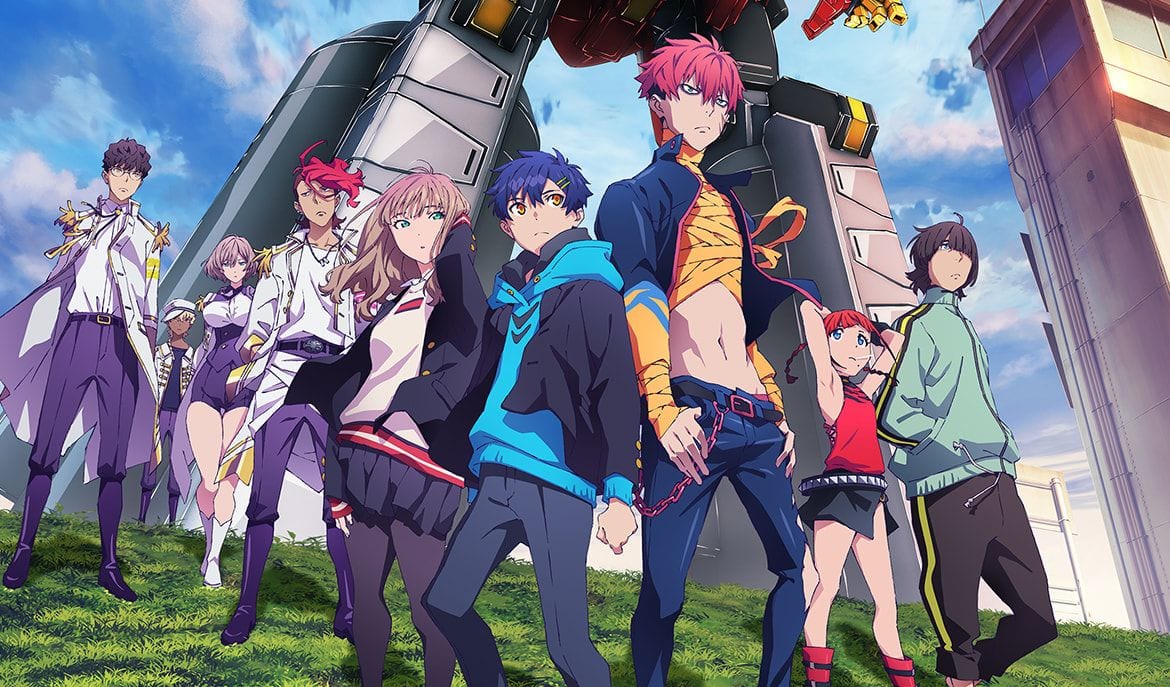
I adored “SSSS. Gridman”, Studio Trigger’s love letter to classic super sentai and kaiju shows, given a more modern polish and a more aged tone. The last thing I was expected from its fairly conclusive ending was a sequel…or spin-off… or spiritual successor? Well whatever it is, this is what we got. Already “SSSS. Dynazenon” hasn’t disappointed, with a colourful setting, likeable well characterised protagonists and most importantly a transforming dinosaur mech. Though I haven’t been as instantly absorbed as I was with its predecessor, it’s still proving to be a great show, I’m only hoping it manages to build an enticing mystery to keep me coming back each week. Easily the best aspect so far is the relationship between the work focused and mild mannered Yomogi and the intrusive brash himbo Gauma, who brings some unwanted excitement to Yomogi’s life.
5 – Thunderbolt Fantasy Season 3
I refuse to stop signing the praises of Thunderbolt Fantasy. Some of you might say “but James, this isn’t anime. It’s about puppets”, but I refuse to listen. It’s anime in my heart. The first two seasons are, in my opinion, the best things Gen Urobuchi (the director of “Madoka”, “Psycho Pass”, “Fate/Zero” and more) has ever worked on. The show oozes style, with an epic tale in a feudal fantasy land, amazing action sequences done via practical effects and engaging writing that makes you adore ever finely crafted character. So why is it not number 1 here? So far I’ve been a little disappointed with the third season, though still great it has yet to blow me away. Though I was cautious about the quality of the second season it ended up being even better than the first, so I’ve no doubt that this season too is going to leave me hugely fulfilled. Also the new intro is just okay, compared to the previous hype tracks that still live in my mind rent free.
4 – Odd Taxi
We are now living in the age of furry anime and though some people find this choice in character designs a big turn off I’ve really enjoyed all the recent shows that have embraced the animal lifestyle. “Odd Taxi” certainly lives up to its title, as a mystery thriller which doesn’t give away much in its first episode, most spent between the protagonist, a middle aged walrus taxi driver, and a social media obsessed hippo. So far it seems to have some good social commentary, with an unsettling aura surrounding the characters and hints towards their involvement in a missing girl case. The opening theme is also visually impressive and an excellent song. One thing that will be staying with me, other than my intrigue into where this plot will go, is that it’s fun to say “Bruce Springsteen”.
3 – Those Snow White Notes
Something else that was completely off my radar, it’s time for a show falling into the pretty much always stellar music genre, though this time with a twist as it centres on the traditional Japanese instrument, the shamisen. Now being somewhat familiar with the instrument I wasn’t sure how they would pull of the music scenes in this show, but I needn’t have worried as they are shot with overwhelming intensity and great direction. The music is only part of this shows charms, as a stellar first episode manages to deliver great comedy and emotional impact as a country boy moves to Tokyo to discover his own sound, as his late grandfather put it. Though I’m unsure what direction this show will be taking, with a more standard second episode introducing rivals and a school setting, I’m fairly certain this is one worth keeping an eye on.
2 – Nomad: Megalo Box 2
Though garnering a lot of initial attention amongst anime fans, much of the excitement of Megalo Box seemed to be lost after the first half. Not for me however, I was enthralled from beginning to end. It was a show crafted with love, not only in memory of a defining classic for the medium (“Tomorrow’s Joe”) but a true underdog story. I was worried about the surprise sequel, where could it possibly go from there? Just like with something such as “Rocky” we had the rise, now we have a repeat of this journey with an older broken Joe, wallowing in grief and drugs, trying to make a life again. It should come as no surprise the level of quality this show expresses, the haunting visions seen by Joe, the framing of him being but a shred of his past glory as a symbol of hope. We still have a lot to learn about how Joe reached this state, but no matter what the writing will have us rooting for him as we develop from this depressing first episode to a brighter future.
1 – To Your Eternity
I’m so glad I went into this series completely blind, having only heard praise recently for the original manga by the creator of “A Silent Voice”. “To Your Eternity” destroyed me emotionally and I love every second of it, in fact I can’t wait for more. I have a love for sombre toned shows, featuring a character on a journey through finely crafted lands with touching vignettes, as such I can already tell that this is likely to make it into my top ten series. The premier of this show couldn’t have been more perfect, a tale of a seemingly immortal creature being exposed to the warmth of humanity for the first time. I can’t say much without spoiling it but it’s a truly human tale that made me cry for around 20 minutes. If you aren’t up to the emotional impact, maybe be wary of “To Your Eternity”, but based on the stellar showing of the first episode alone this is really something that no one should miss.
Available on Anchor and Spotify, as well as essentially all the things! Just follow the link!
This episode is about:
A new old episode with a gaming double whammy as we cover 2064: Read Only Memories and The Hex, a game from the creator of Inscription, before jumping into a heated discussion of the highly controversial series Koi Kaze. This episode was recorded in July 2020… I-I just didn’t edit it for a year and a half. Everything was stressful, I got obsessed with mech shows, cut me a little slack.
Intro song: “Roppongi” from Shin Megami Tensei NINE / Outro song: “Nekomata Rumour Office” from Persona 2 Eternal Punishment. Voice sample created using 15.ai.
Time Stamps:
00:00 – Foreword
01:04 – Introductions
02:08 – Song catch up ft Godot, Decadence, God of Highschool & Democratic Socialism Simulator.
04:35 – Mog catch up ft Corpse Party, Neverwinter Nights, Digimon World, Pretty Cure & Mewkle Dreamy.
10:50 – Rees catch up ft Doom Eternal, God of Destruction Megu Chan, Pokemon Sword & Shield, Tis Time for Torture Princess & Love is War.
15:27 – James catch up ft Bubsy Revenge of the Woolies, Persona 1, Gal & Dino, Weathering With You, Helltaker, Spiderman PS4, SMT Nocturne, Ni No Kuni the Movie & A Whisker Away.
37:19 – 2064: Read Only Memories discussion
43:05 – The Hex discussion
56:10 – Gamer Girl trailer discussion
59:36 – Koi Kaze discussion
1:31:42 – Outro and bonus
Feel free to follow us on Twitter. Any questions for the next episode? Send them to geekintheshellcast@gmail.com and maybe we’ll read it. @TouchOfWeeb @JollyMoggy @LaziYeti @SongOfSisyphus
Available on Anchor and Spotify, as well as essentially all the things! Just follow the link!
This episode is about:
Another special episode, where my co-hosts are pitted against each other in a battle of wits, or rather of unfair anime trivia. Who will win the quiz, take home a fabulous prize and be crowned lord of weebs? It’s anyone’s game in this unconventional show.
Intro song: “Roppongi” from Shin Megami Tensei NINE / Intermediate song: “Sound Test” from Shin Megami Tensei Nocturne / Outro song: “Nekomata Rumour Office” from Persona 2 Eternal Punishment.
Available on Anchor and Spotify, as well as essentially all the things! Just follow the link!
This episode is about:
Ultimate waifu Rizzo
The usual hosts are back for a special episode in which they do nothing but gush over some of their favourite, somewhat obscure, games from the past decade, but which one of us is the real gamer? It’s not me.
Intro song: Shin Megami Tensei IV OST – Battle B2 – (Boss Battle Theme) / Outro song: Gravity Rush 2 – Kat’s Song (A Red Apple Fell From The Sky)
Available on Anchor and Spotify, as well as essentially all the things! Just follow the link!
This episode is about:
Every episode with us is a hiatus! This episode we’re talking about recent gaming release “Trials of Mana” and the 2013 series “Maoyuu Maou Yuusha”, as well as an overdue catch up. I finally didn’t have to edit the episode myself which was nice.
Intro song: ミカヅキBIGWAVE – Dance With Me / Outro song: Claude-Michel Schönberg – À La Volonte du Peuple
Time stamps:
00:30 – Intro.
01:45 – Rees catch up ft Puyo Puyo Tetris, Animal Crossing and Hanging Out with a Gamer Girl.
07:30 – Song catch up ft Katanagatari, Chobits and the terror of gatcha games (Arc Knights).
12:15 – Mog catch up ft Rune Factory 4, Somali & the Forest Spirit, Toilet Bound Hanako Kun and Love Live.
23:55 – James’ excessive catch up ft Promare, Star Wars: The One With the Fortnight Crossover, Beastars and Gundam vs Hello Kitty.
44:00 – Some new anime including Arte, Yesterday Wa Utata and Listeners (much Liverchester).
Studio Ghibli is a company that needs no introduction. Often referred to as the “Japanese Disney”, a comparison that manages to be both apt and lacking, as few animation companies have managed to reach such a renowned worldwide scale. Founded in 1985, this year not only brings their 35th anniversary but the news that their entire catalogue would be available for streaming on Netflix (alas region dependant). As such now is as good a time as any to discuss some of the history of the company, the people behind it and, for the unfamiliar, rank all their works.
Note: Some films included in this article are technically not Studio Ghibli films, however as key films in the careers of some of the studio’s big names I’ve decided to include them here.
The early life of the animation industry was ruled by Walt Disney, and though the genre is much more varied now, in a way it still is. Disney took the world by storm and as they built their empire other animators across the world saw their chance to get a slice of the pie. Animated films at the time all tried to recreate the aesthetic that Walt had birthed, one of the biggest examples being Toei Animation, a much closer Japanese alternative to Disney. Though currently known for their questionable quality in long running franchises such as One Piece and Dragon Ball, they were a powerhouse of the industry whose gorgeous early films such as Puss in Boots and The Tale of the White Serpent aimed to capture the hearts of their younger audience. In addition to being a driving force behind the anime industry they acted as a starting point for some of anime’s biggest names, including Ghibli founders Hayao Miyazaki and Isao Takahata.
At the time Miyazaki largely worked as an in-between animator and Takahata as an assistant director, however following the failure of Takahata’s directorial debut “Horus, Prince of the Sun” he was demoted. Unable to improve his standing he eventually jumped ship with a number of other Toei staff members to a new studio “Topcraft”. Despite working on a number of successful titles the studio became bankrupt and was dissolved, before being bought out and re-branded as Studio Ghibli in 1985. Miyazaki took the studio in a new direction, with movies aimed at a wider audience and his own unique touch, obsessed with Europe, nature and planes.
Currently the studio is in a state of crisis, hence their recent deal with Netflix makes sense. Miyazaki has always had a “strong” personality and been notoriously hard to work with, as such the studio has struggled to maintain talented staff and find a talented director to head production. Miyazaki has attempted retirement a number of times but comes back every time, most notably his recent retirement in 2013 which lasted only three years. This is often credited to his disdain towards the direction the company was moving, famously airing his disgust over work being done on AI animation, though I feel like the release of Makoto Shinkai’s “Your Name” (beating a number of his box office records) was an influence on his return. His current film project “How do you live?” is only 15% complete after 3.5 years, due to his difficult nature, documentary footage showing his working on it almost single-handed as he complains staff aren’t good enough and can’t be trusted.
26: Tales From Earthsea
Everyone knows that Tales From Earthsea is the worst Ghibli movie. The directorial debut of Hayao Miyazaki’s son, Goro, and based on an American novel series from the late 60’s, this film will sure leave you saying “wow, that sure was a film I just watched”. This 2006 flick differs vastly from the source material, the tale of a young prince and priestess who must join forces to save the fantastical land of Earthsea from destruction is slowly paced and largely forgettable. Not a bad film by far, more disappointing. At least the dub has Patrick Stewart in it.
25: Ocean Waves
Ocean Waves left no lasting impressions on me when I first saw it. Perhaps I was too young and need to revisit the title but this shorter film about a high school love triangle was somewhat underwhelming. It lacks the distinctive feel of many other Ghibli works, being a film made for TV by a group of younger staff members at the company. It was meant to be a cheap affair to build experience however went both over budget and schedule. The 1993 film, based on a 1990 Japanese novel, was directed by Tomomi Mochizuki, who seemingly did no other work for the studio, with a mixed bag of other works like the great “House of Five Leaves” and the not so great “Battery”.
24: Ponyo
2008’s “Ponyo on the Cliff by the Sea” received a lot of mention, the second film Miyazaki release after winning an oscar was pushed hard to meet the high standards already set and well… it’s fine. The film received critical acclaim, sold well, won awards and even had a high profile dub with Liam Neeson. The tale follows a goldfish who befriends a 5-year old human boy and wants to become human, sort of a childlike approach to the Little Mermaid. With simplistic themes and a few stunning set pieces the film is fun and entertaining, however I personally found it to be a bit too much of a kids film, struggling to find the right balance between relatable and fantastical.
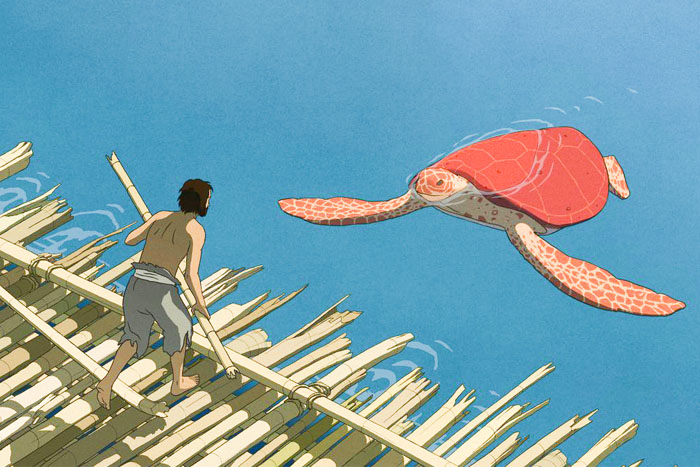
23: The Red Turtle
This 2016 film was a co-production with German studio Wild Bunch and by Danish director Michaël Dudok de Wit, as such often being overlooked and seen as less of a Ghibli work. A unique dialogue free film, with an art style more commonly seen in Western European productions, it presents a fascinating tale of a shipwrecked man whose attempt to leave a deserted island are thwarted by a giant red turtle. With a number of strange plot points the film is easy to follow but not as clean cut thematically, leaving the viewer something to think about. It is easy to see why “The Red Turtle” received such a positive critical response but I wouldn’t say it’s as catching or enjoyable as a number of other entries on this list.
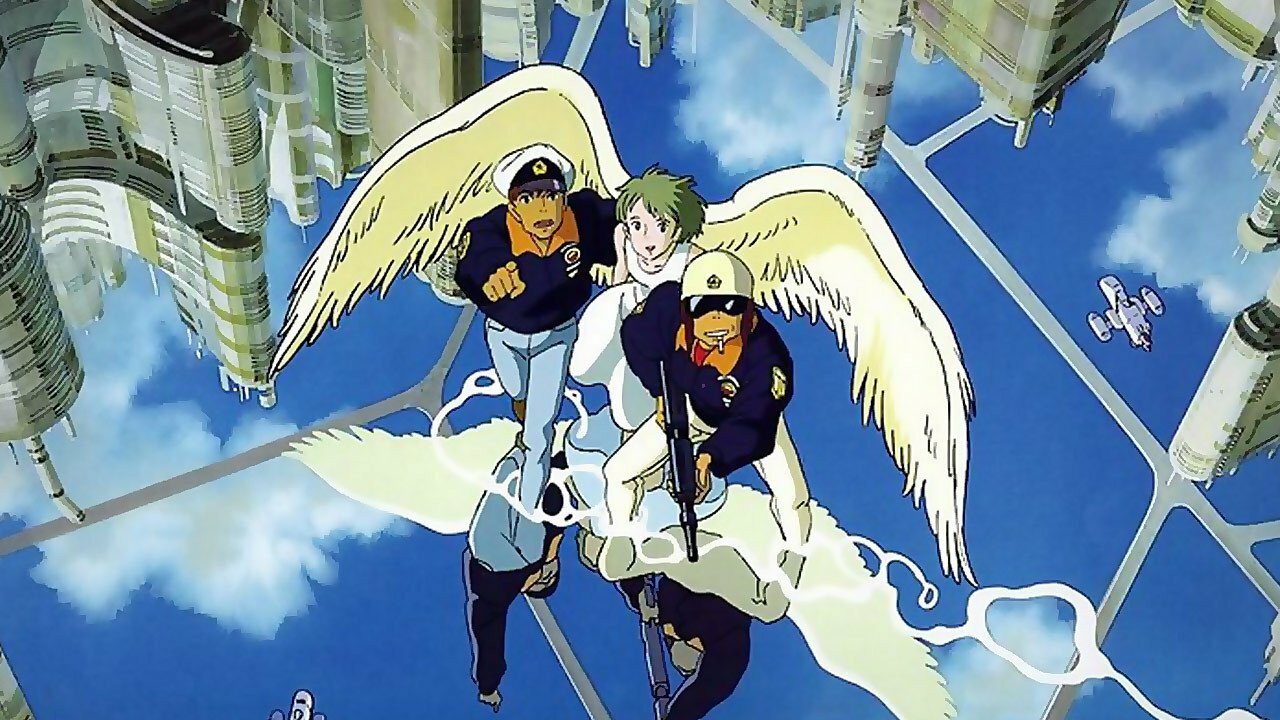
22: On Your Mark
Likely the most unheard of entry here, “On Your Mark” was not a movie but actually a music video for a song of the same name by Japanese rock duo Chage & Aska. Normally something so short wouldn’t be worth noting, but this 1995 video by Miyazaki himself is a spectacle well worth seeing. This was shown before the theatrical release of “Whisper of the Heart”, about two policemen rescuing a girl with angel wings from a cult. I’m a sucker for the futuristic settings seen in the 80’s and 90’s so adore this. It’s just a shame that this is not readily available.
21: Arrietty
2010 film “The Secret World of Arrietty” was based on the English children’s book “The Borrowers”, about tiny people who borrow things from humans to survive, while trying to love secretly in the walls or floors of households. It was the directorial debut of Hiromasa Yonebayashi, who went on to leave the company with a number of other staff members to form Studio Ponoc, since making “Mary and the Witch’s Flower” as well as “Modest Heroes”, which both carry the Ghibli charm. Arrietty is a charming coming of age film about a tiny strong female, but doesn’t leave much of an impression. The dub was also the cinematic debut of Tom Holland, known more now for his role as Spiderman in the Marvel movies.
20: The Wind Rises
2013’s “The Wind Rises” was meant to be the final film by Hayao Miyazaki and as such carried with it a lot of weight. Based loosely on the 1937 novel “The Wind has Risen”, it depicts the life of Jiro Horikoshi, who designed key aircraft used by Japan in World War II, such as the infamous Zero. Being release to success and acclaim, the film is less of a biopic and more of a projection of Miyazaki’s views of his own life, the innocence of pre-war Japan being scewed by militarism. It’s no secret that Miyzaki loves planes, so comparing himself to an engineer sacrificing his own relationship for his craft despite how the result may be used by his country is quite fitting. The film struck me as a little self gratifying however, in addition to being something that’s difficult to connect to emotionally.
19: Pom Poko
Never has Ghibli’s favourite message of “respect nature!!!” been more evident than in the 1994 “Pom Poko” by Isao Takahata. This folklore inspired film tells the tale of shape shifting tanuki (Japanese raccoon dogs) fighting back against construction companies that are threatening their home, a mixture of light-hearted high-jinks, centring around their impressively animated transformations, and a solemn outlook on the effect humankind has had in the 20th century. I found the 2 hour length time overstayed its welcome and the film struggles to know who its target audience is. Still great and a lot of fun, but when it comes to shape shifting tanuki trying to live alongside humans I would much sooner recommend P.A. Works 2013 series “The Eccentric Family”.
18: From Up on Poppy Hill
After his directorial debut received mixed reviews, Goro Miyazaki’s second film, 2011’s “From Up on Poppy Hill”, feels like a fresh direction for the company met with far more positive reviews. Rather than attempting to replicate the fantasy aspect of his father’s more successful films, this adaption of a 1980’s shoujo manga (aimed at young women) offers a more grounded romantic story set in 1963 Yokohama. Umi and Shun meet as they both try to save the haphazardly designed school clubhouse from being demolished, Shun taking interest in the girl he sees raising flags on a hillside every morning in memory of her deceased father. The period setting brings this film to life, offering a sense of gentle nostalgia, which makes up for its somewhat predictable story tread.
17: The Cat Returns
Actually a spiritual successor to 1995’s “Whisper of the Heart” (though only loosely connected), 2002’s “The Cat Returns” is a fun adventure film that differs in tone much more than any other Ghibli films while withholding a sense of fantastical wonder. Director Hiroyuki Morita has worked as an animator on a number of high profile anime features but has few directorial credits to his name, most notably for me being a personal favourite “Bokurano”. Morita brings a more realistic worldview with protagonist Haru’s high school life, which only highlights the fantastical change when she’s kidnapped into the cat kingdom after she saves the cat prince. Originally called “The Cat Project”, it was meant to be a 20 minute short at the request of a Japanese film park, however when this was cancelled the existing work was taken and re-purposed into this feature. A film for all the cat lovers out there, and who doesn’t love cats?
16: When Marnie Was There
The second and last film “Arrietty” director Hiromasa Yonebayashi produced for the studio, 2014’s “When Marnie Was There” is also the final film the studio has produced having taken a hiatus before Miyazaki’s return from retirement. Based on a 1967 novel of the same name, it follows Anna staying with relatives in a rural Northern Japanese seaside village, where she comes across an abandoned mansion. There she meets Marnie, a young blonde girl, and develops a secret friendship, however things are not as they seem. Carrying a sense of mystery, this film explores a touching story of two young girls, tackling serious themes with a great sense of narrative that makes it shine despite not being as impressive as other Ghibli features.
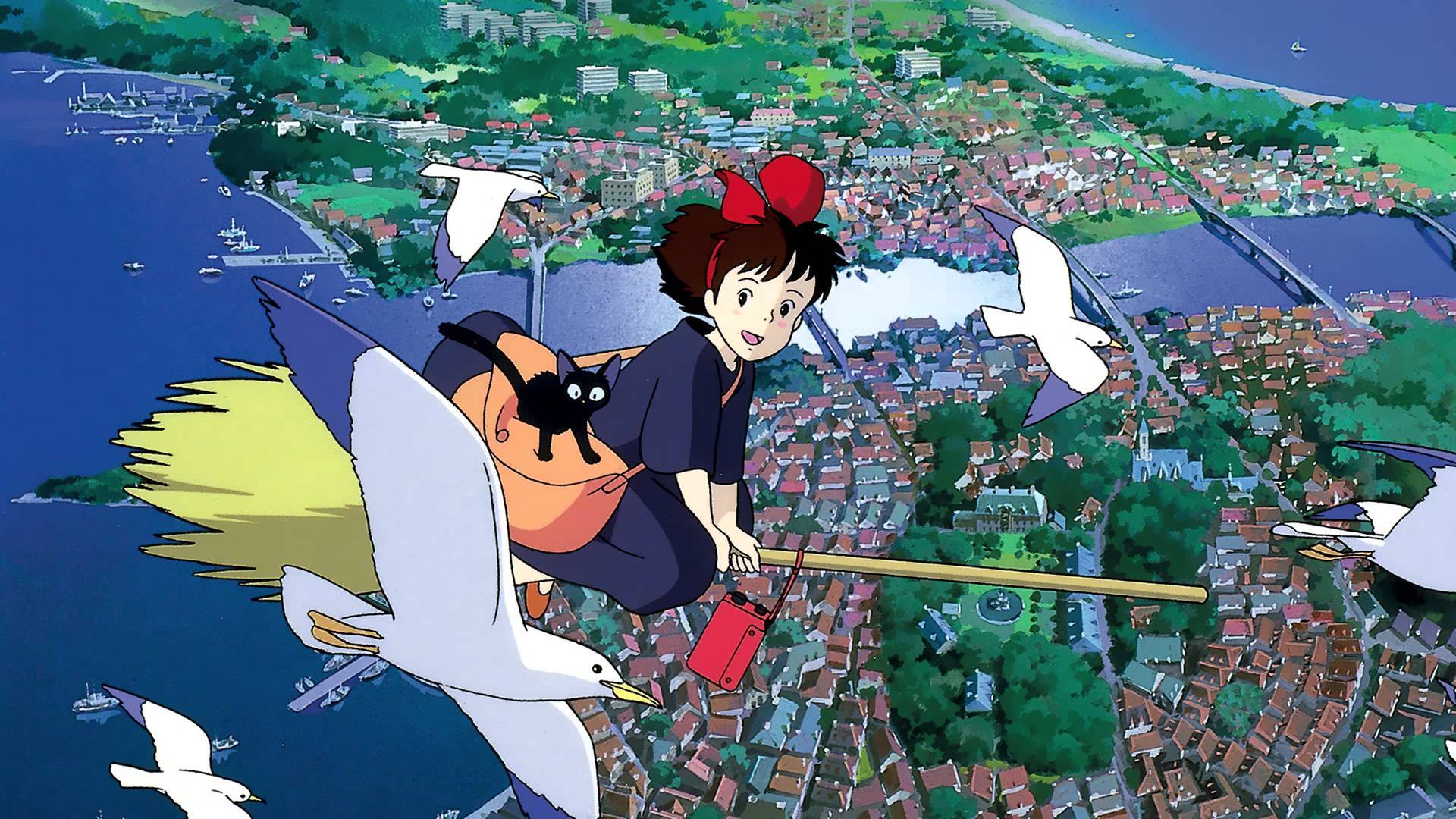
15: Kiki’s Delivery Service
1989’s “Kiki’s Delivery Service” is a through and through coming of age story, though in no way standard. A more grounded fantasy world, it follows a young teenage witch looking for independence, following a rite of adulthood in which she must set out to a new town and learn the ways of the world. A beautiful European ocean town setting and a relateable protagonist help sell the feel of this film, as she starts a delivery business based around flying. This film is less about the narrative events and more an exploration of themes of adulthood, self doubt, vulnerability and tradition, as despite having a loving family she still undergoes common struggles. Also the Concerned Women for America called a boycott of Disney for releasing the film, so it’s worth watching just for that.
14: Only Yesterday
When I first saw 1991’s “Only Yesterday” as a 13 year old boy I just thought it was kind of boring and didn’t give it a second thought. Returning to it in adulthood I came away from it thinking “that was a happy ending” to look over at my partner crying over how sad it was, I still didn’t get it but at least I can appreciate it. Isao Takahata’s feature, based on a 1982 manga, is an adult drama aimed at women, something rare for films in general, let alone Japanese animation. Hugely popular at the time, it follows a single office worker in her late 20’s as she holidays to escape from the city life to experience that of a rural farmer. Over the course of the film she thinks back to her childhood and reflects on the incidents that led to her current self, on whether she made the right choices and lived according to her childhood dreams. Fun fact, the scenes in which she is an adult where animated to match the pre-recorded dialogue (which is usually uncommon), and as such have more noticeable facial muscles and expressions. Arguably the most unique picture from Ghibli’s catalogue.
13: My Neighbours the Yamadas
Studio Ghibli’s features are well known for their awe inspiring set pieces and animation, in contrast to this 1999’s “My Neighbours the Yamadas” by Isao Takahata adopts a minimalist comic strip style. This fits its aesthetic perfectly, a series of comedic vignettes surrounding the theme of family, with the parents, two children, grandmother and their dog getting caught up in mischief. This creates a believable family picture, from the self proclaimed wise grandmother to the questioning independent young daughter. Concentrating on their relationships, this is a sweet film… even if I don’t agree with the idea that “having children as soon as possible will keep relationships healthy”. This one is one of the studio’s most unknown features, as it was not a success at the box office.
12: Whisper of the Heart
This 1995 feature, based on a 1989 manga, is the first film by the studio to not be directed by Miyazaki or Takahata. Director Yoshifumi Kondo was set to become their successor, however tragically died three years after the film’s release. This hugely successful romantic coming of age drama follows the young Shizuku, who aims at becoming a fantasy writer, and Seiji, who trains to become master violin maker. After being drawn to the antique shop where he works, Shizuku’s annoyance with Seiji turns into a budding friendship as they both follow their life goals.
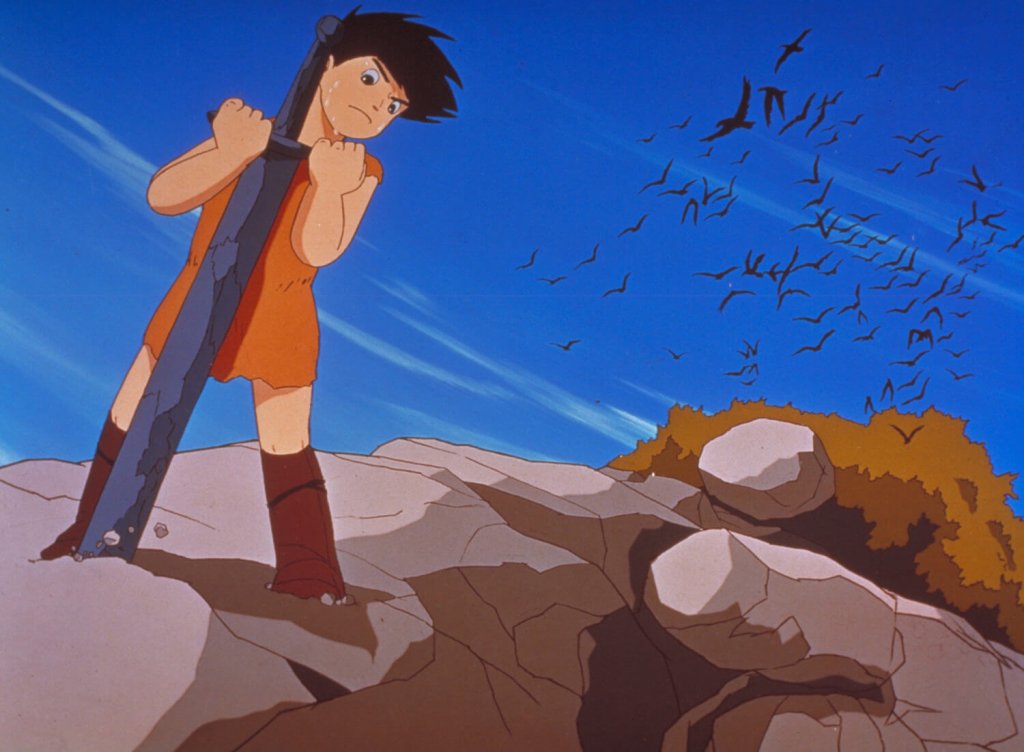
11: Horus, Prince of the Sun
Though technically not a Studio Ghibli film, this 1968 masterpiece and directorial debut by Isao Takahata is more than worthy of mention. The first major film Miyazaki worked on, it was the start of a partnership from the pair which without I wouldn’t be writing this. Today the film is seen as a turning point in the history of animation for its technical merits but was unsuccessful in the time, leading to Takahata being demoted and struggling in the business until his partnership with Miyazaki. Set in Norway, it stars a young boy attempting to reclaim his homeland from a terrifying ice devil. It is intended for an adult audience, with a socialist message alongside violent and psychological themes. It is based on Ainu folklore, the people indigenous to Northern Japan, however to avoid racial controversy the setting was altered. The film took almost 3 years to make when at the time the standard was 8-10 months. Despite it’s initial failure it is now considered one of the greatest animated movies.
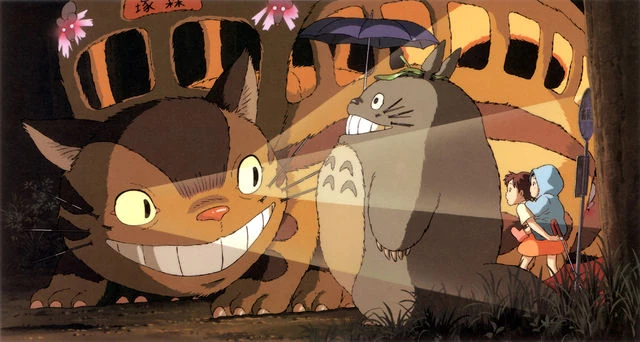
10: My Neighbour Totoro
Perhaps the most recognisable title, due to the masses of merchandise seen worldwide, alongside the titular Totoro being the company mascot. This 1988 feature went from a cult following to a cultural icon, probably most comparable to something such as Winnie the Pooh, the film set Miyazaki on the road to success. It follows two young girls, Satsuki and Mei, who move to the countryside with their father in 1958. The carefree nature of the film, switching to a more serious tone with their mother’s state of illness, captures the heart easily, with memorable set pieces that many others would struggle to create in such a conflict free picture.
9: Howl’s Moving Castle
How did Miyazaki follow up his oscar win? With a film filled with stunning set pieces and memorable animation. 2004’s “Howl’s Moving Castle”, based on a 1986 novel of the same name, is set in a fictitious early 20th century European city. With magic, steampunk technology and war between kingdoms as a backdrop, the heart of the story follows Sophie, who is cursed by a witch and transformed into an old woman. She seeks out the magician Howl to aid her, only to end up working as his caretaker in his mechanical house, while he attempts to escape involvement in war. Not only is the film heavily critical of the Iraq war, with anti-war films at the core of its plot, it also struck a cord with many female viewers due to its feminist elements and the freedom granted to Sophie that comes with her age. It’s emotionally charged themes make up for any plot shortcomings, as this encompasses many of the themes explored throughout the Ghibli library of works. Also once I saw an old woman enter a cosplay competition dressed as Sophie and it was the most adorable thing.
8: Porco Rosso
Miyazaki’s 1992 comedy drama shows his true colours as someone obsessed with planes. Long stretching shots of classic aircraft flying over islands make for beautiful animation, showing the care that went into this film with a real world setting. An Italian World War I ace pilot is cursed, turning into a pig, and decides to spend his life as a bounty hunter. The film is heavily anti-fascist, with Porco Rosso on the run from the Italian secret police, while also being heavily feminist, the female characters being reliable and intelligent in comparison to the more foolhardy and comedic men. It was originally planned to be a short film for an airline, but grew into a feature length film acting as a homage to both aviation and early Hollywood.
7: The Castle of Cagliostro
Once again we have another film that isn’t technically a Studio Ghibli picture, however was Miyazaki’s directorial debut. This 1979 action-adventure comedy is part of the Lupin the 3rd franchise, which continues to have anime adaptions today since its 1969 pilot, though lesser known in the West it details the adventures of a group of master thieves and is well deserving of it’s continued life as a franchise. This film sees the titular Lupin trying to find the source of legendary counterfeit money, only to get caught up in the political struggle of a fictitious European country as he vows to steal away a young princess being forced into marriage. Gorgeous animation, hilarious moments and enthralling action sequences will keep you hooked, there’s never a dull moment in this great entry to an excellent franchise.
6: The Tale of the Princess Kaguya
This 2013 feature was Isao Takahata’s final film before his death, however this oscar nominated picture became a modern classic. Based on “The Tale of the Bamboo Cutter” Takahata wanted to make a version of the story in which the protagonist can be sympathised with. Being the most expensive Japanese movie to date, it is about a bamboo cutter who discovers a tiny girl inside a bamboo shoot. He raises her as his own daughter but eventually commits to making her a princess worthy of her divine heritage, against her will of wanting to live a simple mortal life. Originally he wanted to make the film back in 1960, however his demotion at Toei Animation led to this becoming a dream. He really manages to capture the feel of a classic Japanese tale and a sprawling epic, with beautiful watercolour style sketches packing emotional depth and carrying a dream like feel.
5: Nausicaä of the Valley of the Wind
This 1984 feature is often referred to as the first Ghibli film, however was directed by Miyazaki under studio Topcraft which was to become Studio Ghibli. It was the first of Miyazaki’s films which Joe Hisashi worked on, the legendary composer renowned for his close ties to the company. A post-apocalyptic epic set 1000 years after the world was ruined by war, the protagonist is a princess who explores a poisonous jungle created in the wake of the war to try and find a way for humans to coexist with its mutant creatures. Crisis strikes when a rival kingdom invades, planning on using a deadly weapon to destroy jungle. Inspired by the adaption of nature, Miyazaki decided to build a polluted world to explore themes of environmentalism and anti-war, resulting in a film that would leave a major impact on the medium.
4: Spirited Away
The most well known Studio Ghibli film, 2001’s “Spirited Away”, made history by being the only foreign animated film to win an Academy Award, with many others struggling to even get nominations. It could be said to have caused Japanese animation to become more popular in Western markets and was the most successful film in Japanese history. It follows 10 year old girl Chihiro, who after getting lost moving house with her family, finds herself in the spirit world where she must get a job at a bathhouse to survive and free her parents. The film manages to appeal to all ages, with a serious tone and colourful imagery, with a distinctly Japanese feel from the exquisite bathhouse to the range of creatures from folklore. The film is heavily influence by traditional Japanese folklore and buddhism, mixed with more presenting themes including being forced into coming of age through capitalism, Western capitalist influences, modern Japan and greed. Its fantastical themes are comparable to that of “Alice in Wonderland”.
3: Laputa, Castle in the Sky
Probably my most controversial choice is holding this film so highly on my list, but this 1986 steampunk adventure feels somewhat overlooked when compared to their other titles. The studio’s first film follows a young mine worker who finds a girl floating down from the sky. They go on the run from the government and sky pirates, with the key to finding the legendary floating sky castle Laputa. Going on to heavily influence Japanese pop culture as a whole, the sense of scale and adventure in this one are great. The film is filled with medieval and gothic architecture, however the mining town setting is based on Wales, after Miyazaki visited during the mining strikes of the 80’s, admiring the miner’s way of life which has since vanished. Memorable character and beautiful animation make this film hard to forget.
2: Grave of the Fireflies
Prepare to cry when watching 1988’s “Grave of the Fireflies”, based on a 1967 semi-autobiographical story of the same name. Set in Kobe city during World War II, it tells the tale of two siblings struggling to survive during the harsh living conditions and dangers the war brings to innocent civilians. Sad Japanese WWII films are something I can’t get enough of, heart wrenching and impactful tales often based on real world experience, they approach war themes in a way western cinema struggles to. Coming from a side where their everyday life was changed forever due to their loss, there is no pride or glorification, only guilt, horror and hardships. The visual impact of war is something live action films struggle to attain but comes much easier in animation, beautiful yet haunting set pieces and framing is plentiful here. Director Takahata has claimed that this is not an anti-war film, instead being a Japanese societal commentary, as this film focuses far less on the impacts of war compared to others such as “Barefoot Gen” or “In This Corner of the World”. Fun fact, as Takahata worked on this at the same time Miyazaki worked on “My Neighbour Totoro” they were shown together as a double-bill. Most theatres opted to show this first so patrons would leave the establishment slightly more upbeat.
1: Princess Mononoke
“Life is suffering. It is hard. The world is cursed. But still, you find reasons to keep living”. This 1997 feature is a period peace, following a young prince who becomes cursed and sets out into the world for a cure. He gets involved in the struggle between the gods of the forest and the humans who consume their resources. More specifically he becomes involved with San, a woman raised by wolves with a hatred for humans, and lady Eboshi, the head of a mining village who would kill gods for profit. Key themes include environmentalism, disability and individualism, the film has excellent characterisation with strong female characters without ever having a character as an evil villain. All characters attempt to justify their actions, be it out of greed or anger, the conflicts at its centre are meant to be morally ambiguous. On top of its amazing animation, great pacing and wonderful soundtrack, “Princess Mononoke” is a complex enthralling masterpiece that is easily my favourite.
Available on Anchor and Spotify, as well as essentially all the things! Just follow the link!
This episode is about:
After another long hiatus we’ve returned to tantalise your ears with even better audio quality! This week we answer our first listener question, finally get around to the shame of old E3 conferences and chat what we’ve been up to in *checks calendar* six months???? Insulting all the major companies like Epic, Netflix and EA. We in the big time now boyz.
The intro song is “Fang” from “Asura’s Wrath”. The outro song is “Rude Buster” from “Deltarune”.
Time Stamps:
00:30 – Intro
01:50 – E3 2019… Yeah the last one! Also Elon Musk-chan
29:22 – Question time ft Chris Hemsworth
35:15 – Song’s months ft Dorohedoro, 3D Kanojo and Vinland Saga
37:09 – Rees’ months ft webcomics, Kiss and White Lilly for my Dearest Girl and Yamada to Kanase san.
39:08 – Mog’s months ft Mob Psycho 100, Death Stranding, FF14 and hatred for Girls Und Panzer
47:20 – James’ months ft Lollipop Chainsaw, Baki, Star’s Align, Modest Heroes, Asura’s Wrath, Netflix anime documentaries and more! The long long man segment that goes off topic.
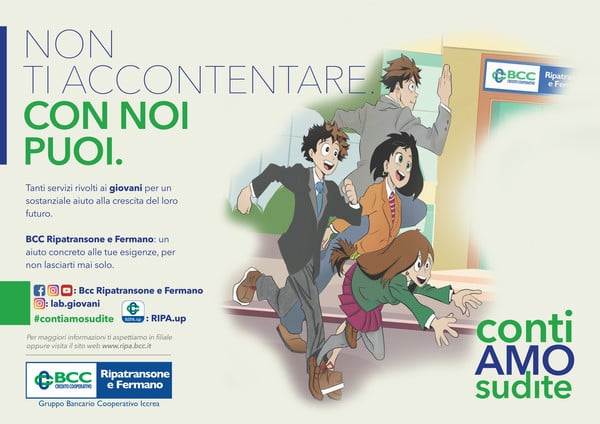
01:35:23 – NEWS/ Overwatch 2 is Overwatch 1, Fraulein, Italian Bank ads, Gainax, Deadly Premonition, Epic Games store and more!
Available on Anchor, as well as essentially all the things! Just follow the link!
This episode is about:
We’re back, hoping that the audio quality gets slightly better every episode. This month we tried to talk about E3 but ran out of times chatting Capcom games, Yuri shows, Lootboxes, Metro… Metro-Police and totally not scams translate our manga for bitcoin please.
The intro song is “God hand Ending Theme” from “God Hand”. The outro song is “Fly Me To The Moon” from “Neon Genesis Evangelion”.
06:06 – Mog’s month ft Land of the Lustrous, Dragon Quest Builders 2 and To Heart.
15:06 – James’ month ft Capcom games, Beat Takeshi, Dragon Half, Shantae and more.
55:25 – NEWS/ Strand Game 56:33 – Pokemans 59:30 – Vic-gate and the damning defence 01:03:38 – The Steam/Valve files 01:04:35 – Spongebob and more remade.
I got tired of making time points, so will update. XD



















 Geek in the Shell