Spring Anime 2021: First Impressions & Rankings

Featured

I’ve been in a bit of a rut when it’s come to anime recently, but despite that some great shows from last season put me back in a watching mood. So what’s best to do to avoid getting burnt out again? Watch something from my backlog that I know I’ll enjoy? Psshhaaaaa, time to watch an excessive amount of newly airing shows. Now I’ve made this mistake in the past, I’ve sworn off seasonal shows time and time again, knowing I always give up part way through as I struggle to keep focus on shows over such a long period, but unable to scratch that itch always crawl back for more. With 16 new shows picked up you’d think that’s be the case again but no more, for shockingly this is one of the highest quality seasons I can remember for anime releases.
New Official Poster for 'Godzilla: Singular Point' : TwoBestFriendsPlay
Zombieland Saga: Revenge" Key Visual : anime

The best way to deal with these impressions is probably by ranking what I’ve watched from worst to best. There are a couple of outliers, for example “Godzilla: Singularity Point” is something I’d rather wait to watch when Netflix decide it’s time to grace us with it, while “Zombieland Saga Revenge” I’m waiting for the dub release having just started season 1 (As an aside I wasn’t expecting to enjoy it as much as I was, I was just interested in it for tourism purposes initially). Otherwise nothing else interests me enough to add it to a schedule that’s already left me spread thin.

There’s only one show still airing from last season that I’m also following, “Back Arrow”, though I thought it best not to rank something I’ve seen 15 episodes of against things with only 1-3 at the moment. From the director of “Code Geass” (which I haven’t actually seen shuuush), “Back Arrow” followed an amnesiac in a walled country attempting to escape with a hillbilly tribe, despite the country being at war between a “Romance of the Three Kingdoms” style empire and Medieval castle town. This is a show I’d actually decided to drop after 5 episodes, however I was won back over by some crazy screenshots on Twitter and I don’t regret it. I mean episode 6 was about liberating a Pretty Boy farm, other highlights being “Rose of Versailles” references, a mad doctor with his own backing choir, a man with a tiny face and a man named Bruh. The show is trashy but a fun kind of trashy with the entertainment value of something like Fast and the Furious. I don’t recommend it but wouldn’t advise against watching it either, it’s one of those deals.

Image
Image

16 – Jouran: The Princess of Snow and Blood

Set in an alternative history 1930’s, Jouran follows a member of the secret government squad “Nue”, an assassins who also deal with threats of the supernatural kind. Our protagonist can transform into a creature reminiscent of Yuki Onna (an ice woman yokai) with skeletal features, who has been raised by the group on a path of revenge against the person responsible for her families slaughter. There’s also a child she’s adopted whom parents she killed. Sounds great right? Well despite the high production values and impression leaving art style, the show falls a little flat in terms of writing and plot. The dialogue seems stiff and the characters leaning towards one note. I’m giving it more time, because I can see a lot of promise, especially if this is going to be a multiple chapter franchise as seems to be the plan, but chances are I’ll be dropping it soon.

Anime Taste Testing: Mars Red and Jouran – The Princess of Snow and Blood –  OTAKU LOUNGE

15 – Farewell, My Dear Cramer

From the creator of “Your Lie in April” comes sport! The ol’ game of footy! Despite being British I have no love for the beautiful game, but decided to tune in due to the creator’s highly celebrated previous work (which again I haven’t seen yet). The story follows the newest members of a female high school football team, a team that the alumi and world famous female football player aims to return to its former glory, to reignite a love for women’s football within Japan. It’s fine, so far they’ve done a decent job of introducing the characters but I wouldn’t say any of them are hugely likeable, it’s also strange seeing a sports anime trying to balance an introduction to a sport that a lot of people are already familiar with. The show has been fairly standard for what you imagine a sports anime to be like, I’m just waiting for it to gain some flair. A lot of negative impressions seem to be coming from this show, mostly due to the art style. I’ve seen many claiming it to be ugly, and though I wouldn’t go that far it is fairly bland looking in comparison to the polish of the manga designs. Another potential show for dropping.

Farewell, My Dear Cramer key visual – Leo Sigh

14 – My Hero Academia Season 5

I feel like I don’t need to say much about this show, everyone knows what it is. I’ve never been head over heels for it, but did thoroughly enjoy the first few seasons. However, as time has gone on there’s been a noticeable quality dip and this new season doesn’t seem to be giving me much reason to get excited, as with the average fourth season. I think the filler first episode of each season, which spends most of the run time reintroducing the expanded cast of characters doesn’t help, in fact all it does is act to remind you how many great characters remain underdeveloped. Though my hype has largely gone, with the show becoming more of a chore, there’s definitely still enough good for me to see it through to the end. Perhaps the current tournament arc will give some well needed spectacle, I can only hope the stakes start to get raised sooner rather than later though.

My Hero Academia: Season 5 US Release Date Revealed - IGN

13 – Shaman King (2021)

I never saw the original “Shaman King series” and it’s not something I’m particularly familiar with, it largely seems to have been shafted by Shounen Jump and left forgotten. As such I was surprised to see the remake announced, however I somewhat question if it was necessary. It’s certainly a dated show, the kind with an annoying short main character who’s just there to narrate over the action sequences, but it’s not without it’s charm. I’m also up for some classic Shounen Jump style mindless fun, and this largely seems to fit the bill, crazy anime hair and all.

Shaman King 2021 Anime's Creditless Opening Theme Released | Manga Thrill

12 – Bakuten!!

“Bakuten!!” or “Backflip!!” is our second sports anime of the season, though already showing more promise than the previous one. Our protagonist is a middle schooler who is largely relatable in that he’s just a nice guy who goes with the flow in life, joining the baseball team and spending that time sitting on the bench, his life lacking passion. That’s when he stumbles across the world of men’s rhythmic gymnastics and decides to join a specific high school after being mesmerised by their undermanned club’s performance. Not only does “Bakuten!!” have the appeal of a unique sport but it also has pretty boys and charming characters, the pilot was just very heart-warming and though not stellar by any means was enough to win me over. I’m not too sure about the long CGI gymnastics sequence early on but I’m not sure if it was actually bad or just too noticeable.
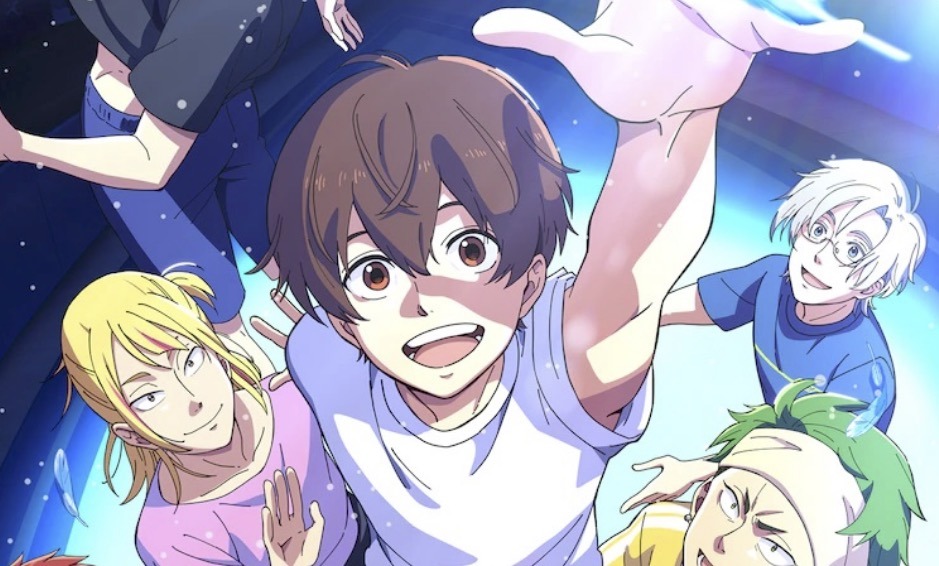
Bakuten!! Anime Adds Ayane Sakura to the Rhythmic Gymnastics Fun

11 – 86

Seemingly one of the more high budget and polished shows of the season, “86” focuses on a young army major in a traditional European style yet futuristic setting. Following in her deceased father’s footsteps she chooses to be a squad leader in a war planned to last 2 years, however rather than leading in person she’s tasked with linking with a group to guide them into battle as a handler. Why the term “handler”? Because the soldiers in question are seen as sub-human, living sperate from the populace and forced to fight, so far our protagonist being the only person to see them more than just tools, with other drunk middle aged men laughing over losing “a few drones”. Being moved to a new squad, supposedly cursed with their previous handlers losing their minds, I can largely predict where this show is going to go in terms of narratives on war, racism and politics, but it seems largely promising and with a presentation to match.
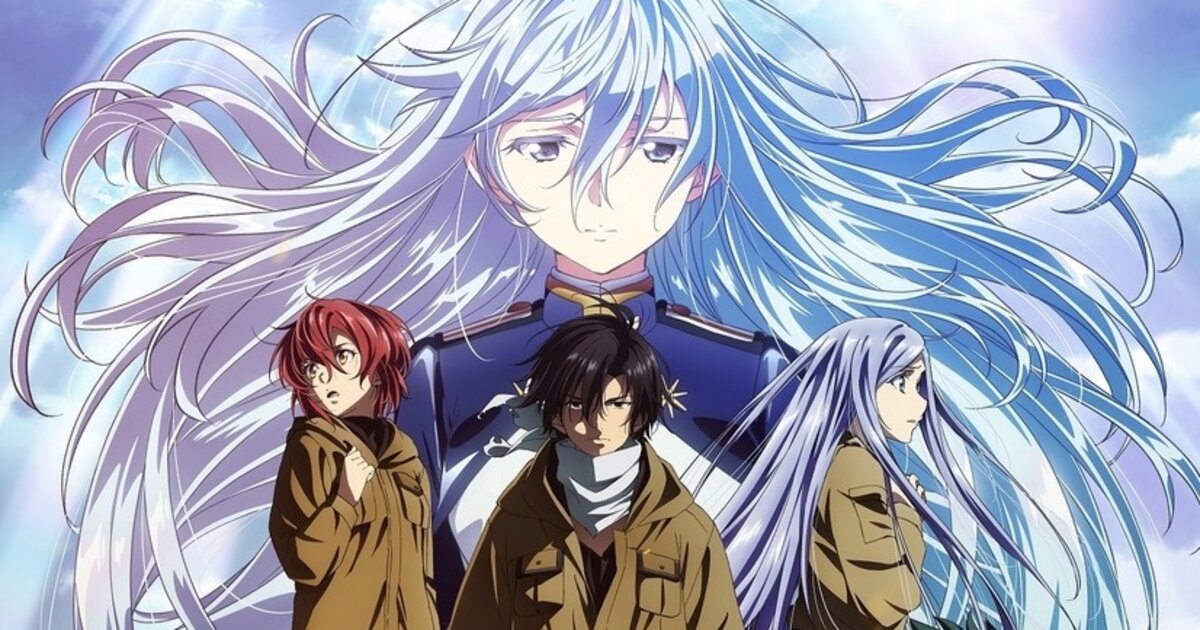
Mecha Anime 86 Reveals Broadcast Date, Second Trailer & Key Visual! -  ComictaQ

10 – Vivy: Fluorite Eye’s Song

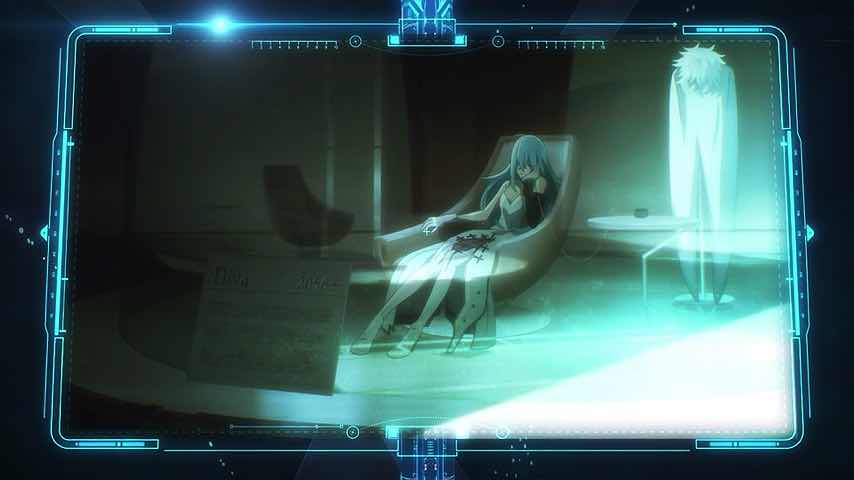
Speaking of shows with a lot of polish, “Vivy” is an adaption of a light novel series by the creator of “ReZero” (again not watched, I need to be more mainstream). Set in a future where AI has progressed to a level where it is used in everyday life, our protagonist is the first human-like AI, working at a theme park as a novel idol character called Diva. She is visited by an AI from 100 years in the future in a scenario similar to “The Terminator”, as they aim to work together to prevent the extinction of the human race at the hands of evolved AI’s. It reminds me of Ghost in the Shell, but less about the lines between man and technology and more about the dangers of technology and the skewing of human rights. With a large scale time-spanning plot I can see this much higher on other people’s lists, I’m just not a fan of the art-style and character designs personally, plus the pacing seems to be an episode of set up followed by an episode of action, however it has spectacle and enough direction to back it up.
Vivy -Fluorite Eye's Song- 01-02 - 37 - Lost in Anime

9 – Tokyo Revengers

Thinking about it, this show doesn’t deserve to be this highly listed at the moment, but the potential of this show has really got me engaged. It’s essentially “Erased” with delinquents, giving a spin on the now familiar time leap plotline. The protagonist has led a disappointing life where nothing has gone right, but upon returning to his teenage self he remembers his feeling for his now deceased girlfriend and decides to take over the gang at whose hands she dies 12 years later. I have a soft spot for delinquents and time travel stories, so it’s a match made in heaven for me. The manga seems highly regarded and has some nice artwork to match, which gives me a lot of hope that I won’t be let down here.

Tokyo Revengers Officially Announces New Anime

8 – Fruits Basket: The Final

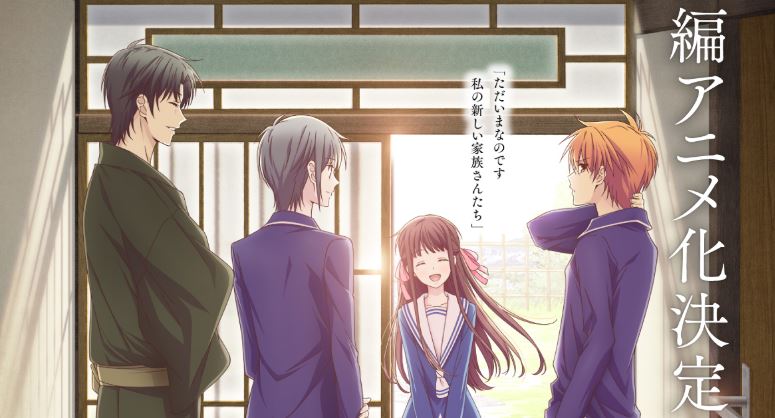
I was never familiar with the original “Fruits Basket” manga or series, so when watching the first season of the remake I came away with the general impression that it was good, but the heavy shoujo influence and love triangle aspect wasn’t for me. The second season manged to hook me though, with plot twists and great character writing exploring abuse and love, as such I’m genuinely excited to see how the show will end. So far I haven’t been let down by the premise and expect a solid tale, who knew a show about pretty boys turning into animals could be so engaging and emotional.
Beloved Fruits Basket manga to finally receive a complete anime adaptation  next year | SoraNews24 -Japan News-

7 – Shadows House

“Shadows House” was no where no my radar and to my dismay has nothing to do with the Sonic character of the same name. It does however offer a beautiful gothic aesthetic series about a noble family of shadow people, supposedly confined to their castle, and the living dolls, whom work as their servants but seem to be an identical match for the shadows, so much as acting as their faces. Despite the somewhat sinister tones, the first episode was surprisingly sweet and upbeat, with the main shadow Kate forming a relationship with her new doll, naming her and learning to open up to another person. Though only hinting at what awaits in terms of a potentially more sinister plot, the show was gorgeous enough to sell me on visuals alone. As an underused visual style (the only similarities I can think of being Rozen Maiden and maybe Gosick) I’m really looking forward to experiencing more.

SHADOWS HOUSE - Episode 1 - Anime Feminist

6 – SSSS. Dynazenon

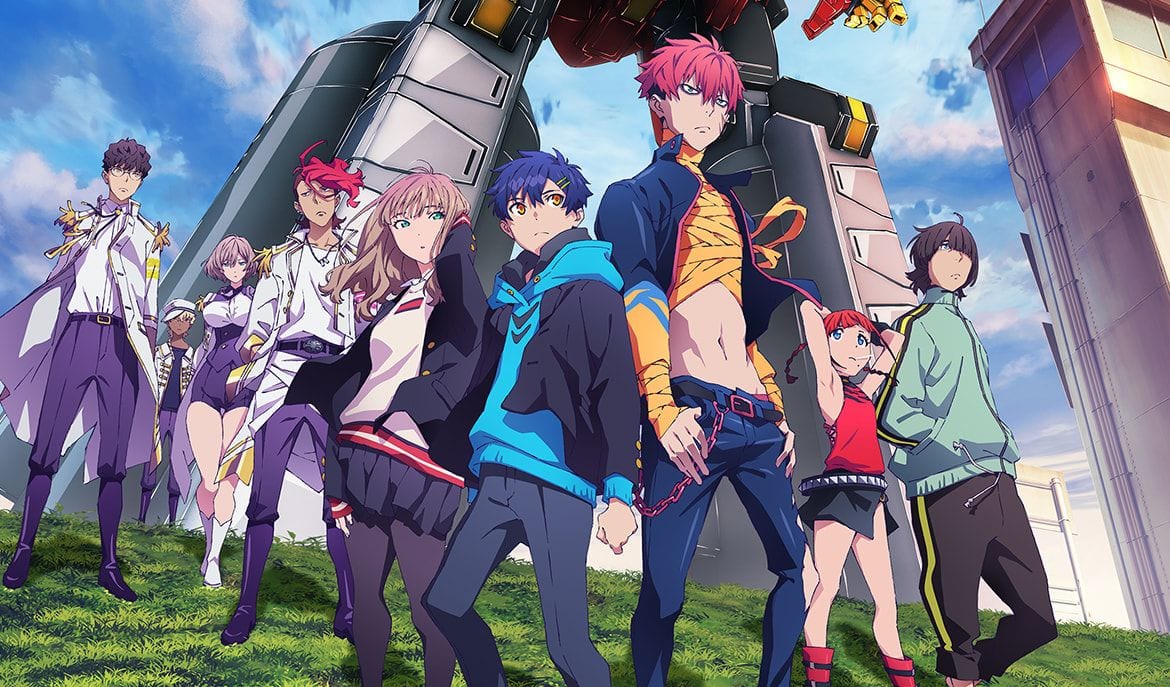
I adored “SSSS. Gridman”, Studio Trigger’s love letter to classic super sentai and kaiju shows, given a more modern polish and a more aged tone. The last thing I was expected from its fairly conclusive ending was a sequel…or spin-off… or spiritual successor? Well whatever it is, this is what we got. Already “SSSS. Dynazenon” hasn’t disappointed, with a colourful setting, likeable well characterised protagonists and most importantly a transforming dinosaur mech. Though I haven’t been as instantly absorbed as I was with its predecessor, it’s still proving to be a great show, I’m only hoping it manages to build an enticing mystery to keep me coming back each week. Easily the best aspect so far is the relationship between the work focused and mild mannered Yomogi and the intrusive brash himbo Gauma, who brings some unwanted excitement to Yomogi’s life.
SSSS Dynazenon Episode 1 Release Date, Spoilers, Watch English Dub Online

5 – Thunderbolt Fantasy Season 3

I refuse to stop signing the praises of Thunderbolt Fantasy. Some of you might say “but James, this isn’t anime. It’s about puppets”, but I refuse to listen. It’s anime in my heart. The first two seasons are, in my opinion, the best things Gen Urobuchi (the director of “Madoka”, “Psycho Pass”, “Fate/Zero” and more) has ever worked on. The show oozes style, with an epic tale in a feudal fantasy land, amazing action sequences done via practical effects and engaging writing that makes you adore ever finely crafted character. So why is it not number 1 here? So far I’ve been a little disappointed with the third season, though still great it has yet to blow me away. Though I was cautious about the quality of the second season it ended up being even better than the first, so I’ve no doubt that this season too is going to leave me hugely fulfilled. Also the new intro is just okay, compared to the previous hype tracks that still live in my mind rent free.

Thunderbolt Fantasy Puppet Show's 3rd Season Reveals Visual, Video  (Updated) - News - Anime News Network

4 – Odd Taxi

We are now living in the age of furry anime and though some people find this choice in character designs a big turn off I’ve really enjoyed all the recent shows that have embraced the animal lifestyle. “Odd Taxi” certainly lives up to its title, as a mystery thriller which doesn’t give away much in its first episode, most spent between the protagonist, a middle aged walrus taxi driver, and a social media obsessed hippo. So far it seems to have some good social commentary, with an unsettling aura surrounding the characters and hints towards their involvement in a missing girl case. The opening theme is also visually impressive and an excellent song. One thing that will be staying with me, other than my intrigue into where this plot will go, is that it’s fun to say “Bruce Springsteen”.

Odd Taxi Anime Reveals April 2021 Premiere Date, Key Visual, PV, Staff &  Cast Listing

3 – Those Snow White Notes

Something else that was completely off my radar, it’s time for a show falling into the pretty much always stellar music genre, though this time with a twist as it centres on the traditional Japanese instrument, the shamisen. Now being somewhat familiar with the instrument I wasn’t sure how they would pull of the music scenes in this show, but I needn’t have worried as they are shot with overwhelming intensity and great direction. The music is only part of this shows charms, as a stellar first episode manages to deliver great comedy and emotional impact as a country boy moves to Tokyo to discover his own sound, as his late grandfather put it. Though I’m unsure what direction this show will be taking, with a more standard second episode introducing rivals and a school setting, I’m fairly certain this is one worth keeping an eye on.

First Look: Those Snow White Notes | The Glorio Blog

2 – Nomad: Megalo Box 2

Though garnering a lot of initial attention amongst anime fans, much of the excitement of Megalo Box seemed to be lost after the first half. Not for me however, I was enthralled from beginning to end. It was a show crafted with love, not only in memory of a defining classic for the medium (“Tomorrow’s Joe”) but a true underdog story. I was worried about the surprise sequel, where could it possibly go from there? Just like with something such as “Rocky” we had the rise, now we have a repeat of this journey with an older broken Joe, wallowing in grief and drugs, trying to make a life again. It should come as no surprise the level of quality this show expresses, the haunting visions seen by Joe, the framing of him being but a shred of his past glory as a symbol of hope. We still have a lot to learn about how Joe reached this state, but no matter what the writing will have us rooting for him as we develop from this depressing first episode to a brighter future.

Megalo Box Director Explains Season 2's Nomad Title

1 – To Your Eternity

I’m so glad I went into this series completely blind, having only heard praise recently for the original manga by the creator of “A Silent Voice”. “To Your Eternity” destroyed me emotionally and I love every second of it, in fact I can’t wait for more. I have a love for sombre toned shows, featuring a character on a journey through finely crafted lands with touching vignettes, as such I can already tell that this is likely to make it into my top ten series. The premier of this show couldn’t have been more perfect, a tale of a seemingly immortal creature being exposed to the warmth of humanity for the first time. I can’t say much without spoiling it but it’s a truly human tale that made me cry for around 20 minutes. If you aren’t up to the emotional impact, maybe be wary of “To Your Eternity”, but based on the stellar showing of the first episode alone this is really something that no one should miss.

To Your Eternity episode 1: Release date and time explained on Crunchyroll!

Studio Ghibli Retrospective & Ranking: 35 Years of Planes and Trees

Studio Ghibli is a company that needs no introduction. Often referred to as the “Japanese Disney”, a comparison that manages to be both apt and lacking, as few animation companies have managed to reach such a renowned worldwide scale. Founded in 1985, this year not only brings their 35th anniversary but the news that their entire catalogue would be available for streaming on Netflix (alas region dependant). As such now is as good a time as any to discuss some of the history of the company, the people behind it and, for the unfamiliar, rank all their works.

Note: Some films included in this article are technically not Studio Ghibli films, however as key films in the careers of some of the studio’s big names I’ve decided to include them here.

The early life of the animation industry was ruled by Walt Disney, and though the genre is much more varied now, in a way it still is. Disney took the world by storm and as they built their empire other animators across the world saw their chance to get a slice of the pie. Animated films at the time all tried to recreate the aesthetic that Walt had birthed, one of the biggest examples being Toei Animation, a much closer Japanese alternative to Disney. Though currently known for their questionable quality in long running franchises such as One Piece and Dragon Ball, they were a powerhouse of the industry whose gorgeous early films such as Puss in Boots and The Tale of the White Serpent aimed to capture the hearts of their younger audience. In addition to being a driving force behind the anime industry they acted as a starting point for some of anime’s biggest names, including Ghibli founders Hayao Miyazaki and Isao Takahata.

At the time Miyazaki largely worked as an in-between animator and Takahata as an assistant director, however following the failure of Takahata’s directorial debut “Horus, Prince of the Sun” he was demoted. Unable to improve his standing he eventually jumped ship with a number of other Toei staff members to a new studio “Topcraft”. Despite working on a number of successful titles the studio became bankrupt and was dissolved, before being bought out and re-branded as Studio Ghibli in 1985. Miyazaki took the studio in a new direction, with movies aimed at a wider audience and his own unique touch, obsessed with Europe, nature and planes.

Image result for miyazaki ai

Currently the studio is in a state of crisis, hence their recent deal with Netflix makes sense. Miyazaki has always had a “strong” personality and been notoriously hard to work with, as such the studio has struggled to maintain talented staff and find a talented director to head production. Miyazaki has attempted retirement a number of times but comes back every time, most notably his recent retirement in 2013 which lasted only three years. This is often credited to his disdain towards the direction the company was moving, famously airing his disgust over work being done on AI animation, though I feel like the release of Makoto Shinkai’s “Your Name” (beating a number of his box office records) was an influence on his return. His current film project “How do you live?” is only 15% complete after 3.5 years, due to his difficult nature, documentary footage showing his working on it almost single-handed as he complains staff aren’t good enough and can’t be trusted.

26: Tales From Earthsea

Image result for tales from earthsea

Everyone knows that Tales From Earthsea is the worst Ghibli movie. The directorial debut of Hayao Miyazaki’s son, Goro, and based on an American novel series from the late 60’s, this film will sure leave you saying “wow, that sure was a film I just watched”. This 2006 flick differs vastly from the source material, the tale of a young prince and priestess who must join forces to save the fantastical land of Earthsea from destruction is slowly paced and largely forgettable. Not a bad film by far, more disappointing. At least the dub has Patrick Stewart in it.

25: Ocean Waves

Image result for ocean waves anime

Ocean Waves left no lasting impressions on me when I first saw it. Perhaps I was too young and need to revisit the title but this shorter film about a high school love triangle was somewhat underwhelming. It lacks the distinctive feel of many other Ghibli works, being a film made for TV by a group of younger staff members at the company. It was meant to be a cheap affair to build experience however went both over budget and schedule. The 1993 film, based on a 1990 Japanese novel, was directed by Tomomi Mochizuki, who seemingly did no other work for the studio, with a mixed bag of other works like the great “House of Five Leaves” and the not so great “Battery”.

24: Ponyo

Image result for ponyo

2008’s “Ponyo on the Cliff by the Sea” received a lot of mention, the second film Miyazaki release after winning an oscar was pushed hard to meet the high standards already set and well… it’s fine. The film received critical acclaim, sold well, won awards and even had a high profile dub with Liam Neeson. The tale follows a goldfish who befriends a 5-year old human boy and wants to become human, sort of a childlike approach to the Little Mermaid. With simplistic themes and a few stunning set pieces the film is fun and entertaining, however I personally found it to be a bit too much of a kids film, struggling to find the right balance between relatable and fantastical.

23: The Red Turtle

Image result for the red turtle

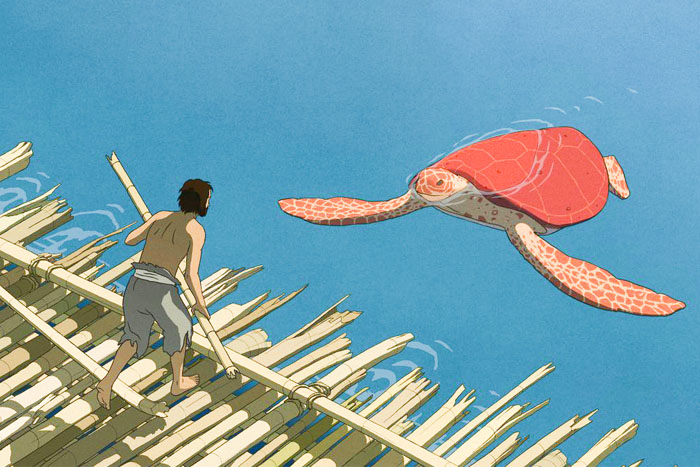
This 2016 film was a co-production with German studio Wild Bunch and by Danish director Michaël Dudok de Wit, as such often being overlooked and seen as less of a Ghibli work. A unique dialogue free film, with an art style more commonly seen in Western European productions, it presents a fascinating tale of a shipwrecked man whose attempt to leave a deserted island are thwarted by a giant red turtle. With a number of strange plot points the film is easy to follow but not as clean cut thematically, leaving the viewer something to think about. It is easy to see why “The Red Turtle” received such a positive critical response but I wouldn’t say it’s as catching or enjoyable as a number of other entries on this list.

22: On Your Mark

Image result for on your mark ghibli

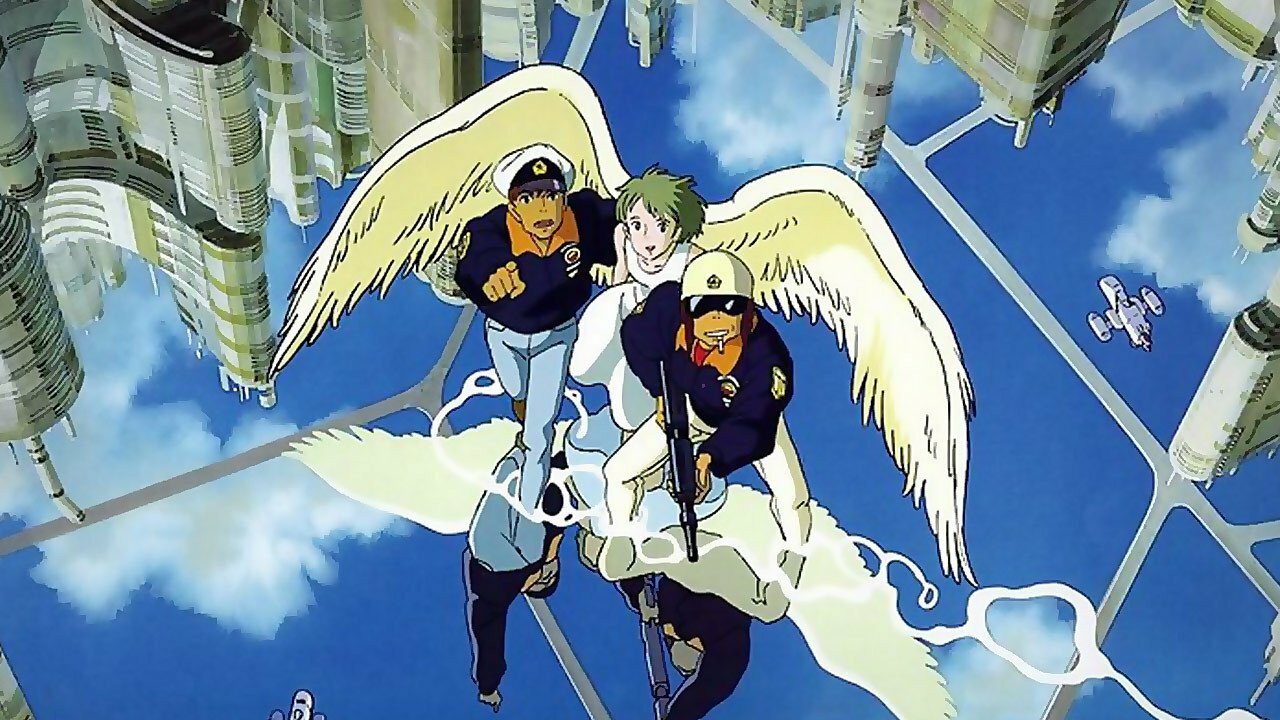
Likely the most unheard of entry here, “On Your Mark” was not a movie but actually a music video for a song of the same name by Japanese rock duo Chage & Aska. Normally something so short wouldn’t be worth noting, but this 1995 video by Miyazaki himself is a spectacle well worth seeing. This was shown before the theatrical release of “Whisper of the Heart”, about two policemen rescuing a girl with angel wings from a cult. I’m a sucker for the futuristic settings seen in the 80’s and 90’s so adore this. It’s just a shame that this is not readily available.

21: Arrietty

Image result for arrietty

2010 film “The Secret World of Arrietty” was based on the English children’s book “The Borrowers”, about tiny people who borrow things from humans to survive, while trying to love secretly in the walls or floors of households. It was the directorial debut of Hiromasa Yonebayashi, who went on to leave the company with a number of other staff members to form Studio Ponoc, since making “Mary and the Witch’s Flower” as well as “Modest Heroes”, which both carry the Ghibli charm. Arrietty is a charming coming of age film about a tiny strong female, but doesn’t leave much of an impression. The dub was also the cinematic debut of Tom Holland, known more now for his role as Spiderman in the Marvel movies.

20: The Wind Rises

Image result for the wind rises

2013’s “The Wind Rises” was meant to be the final film by Hayao Miyazaki and as such carried with it a lot of weight. Based loosely on the 1937 novel “The Wind has Risen”, it depicts the life of Jiro Horikoshi, who designed key aircraft used by Japan in World War II, such as the infamous Zero. Being release to success and acclaim, the film is less of a biopic and more of a projection of Miyazaki’s views of his own life, the innocence of pre-war Japan being scewed by militarism. It’s no secret that Miyzaki loves planes, so comparing himself to an engineer sacrificing his own relationship for his craft despite how the result may be used by his country is quite fitting. The film struck me as a little self gratifying however, in addition to being something that’s difficult to connect to emotionally.

19: Pom Poko

Image result for pom poko rock

Never has Ghibli’s favourite message of “respect nature!!!” been more evident than in the 1994 “Pom Poko” by Isao Takahata. This folklore inspired film tells the tale of shape shifting tanuki (Japanese raccoon dogs) fighting back against construction companies that are threatening their home, a mixture of light-hearted high-jinks, centring around their impressively animated transformations, and a solemn outlook on the effect humankind has had in the 20th century. I found the 2 hour length time overstayed its welcome and the film struggles to know who its target audience is. Still great and a lot of fun, but when it comes to shape shifting tanuki trying to live alongside humans I would much sooner recommend P.A. Works 2013 series “The Eccentric Family”.

18: From Up on Poppy Hill

Image result for from up on poppy hill

After his directorial debut received mixed reviews, Goro Miyazaki’s second film, 2011’s “From Up on Poppy Hill”, feels like a fresh direction for the company met with far more positive reviews. Rather than attempting to replicate the fantasy aspect of his father’s more successful films, this adaption of a 1980’s shoujo manga (aimed at young women) offers a more grounded romantic story set in 1963 Yokohama. Umi and Shun meet as they both try to save the haphazardly designed school clubhouse from being demolished, Shun taking interest in the girl he sees raising flags on a hillside every morning in memory of her deceased father. The period setting brings this film to life, offering a sense of gentle nostalgia, which makes up for its somewhat predictable story tread.

17: The Cat Returns

Image result for the cat returns

Actually a spiritual successor to 1995’s “Whisper of the Heart” (though only loosely connected), 2002’s “The Cat Returns” is a fun adventure film that differs in tone much more than any other Ghibli films while withholding a sense of fantastical wonder. Director Hiroyuki Morita has worked as an animator on a number of high profile anime features but has few directorial credits to his name, most notably for me being a personal favourite “Bokurano”. Morita brings a more realistic worldview with protagonist Haru’s high school life, which only highlights the fantastical change when she’s kidnapped into the cat kingdom after she saves the cat prince. Originally called “The Cat Project”, it was meant to be a 20 minute short at the request of a Japanese film park, however when this was cancelled the existing work was taken and re-purposed into this feature. A film for all the cat lovers out there, and who doesn’t love cats?

16: When Marnie Was There

Image result for when marnie was there

The second and last film “Arrietty” director Hiromasa Yonebayashi produced for the studio, 2014’s “When Marnie Was There” is also the final film the studio has produced having taken a hiatus before Miyazaki’s return from retirement. Based on a 1967 novel of the same name, it follows Anna staying with relatives in a rural Northern Japanese seaside village, where she comes across an abandoned mansion. There she meets Marnie, a young blonde girl, and develops a secret friendship, however things are not as they seem. Carrying a sense of mystery, this film explores a touching story of two young girls, tackling serious themes with a great sense of narrative that makes it shine despite not being as impressive as other Ghibli features.

15: Kiki’s Delivery Service

Image result for kiki's delivery service

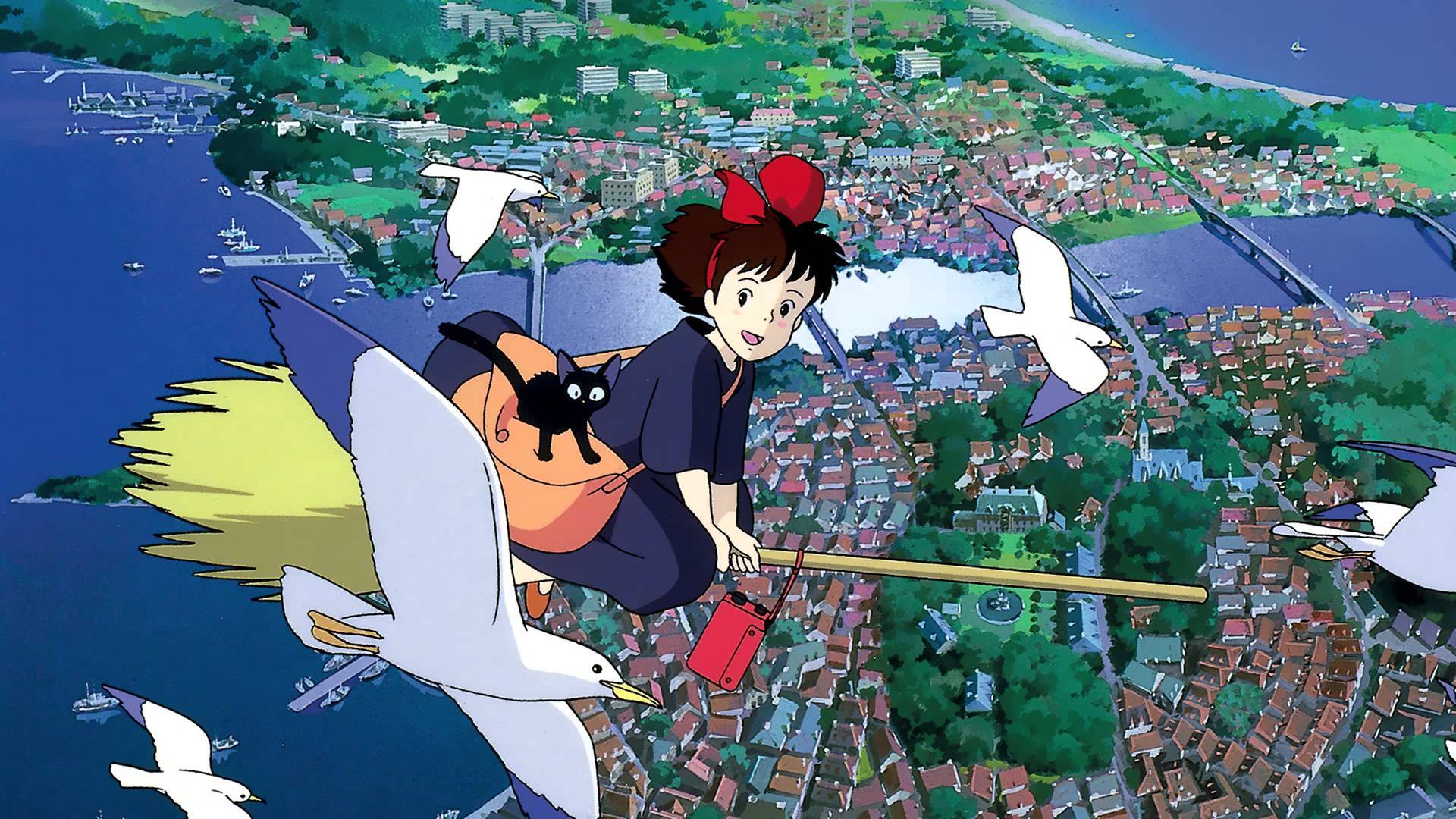
1989’s “Kiki’s Delivery Service” is a through and through coming of age story, though in no way standard. A more grounded fantasy world, it follows a young teenage witch looking for independence, following a rite of adulthood in which she must set out to a new town and learn the ways of the world. A beautiful European ocean town setting and a relateable protagonist help sell the feel of this film, as she starts a delivery business based around flying. This film is less about the narrative events and more an exploration of themes of adulthood, self doubt, vulnerability and tradition, as despite having a loving family she still undergoes common struggles. Also the Concerned Women for America called a boycott of Disney for releasing the film, so it’s worth watching just for that.

14: Only Yesterday

Image result for only yesterday ghibli

When I first saw 1991’s “Only Yesterday” as a 13 year old boy I just thought it was kind of boring and didn’t give it a second thought. Returning to it in adulthood I came away from it thinking “that was a happy ending” to look over at my partner crying over how sad it was, I still didn’t get it but at least I can appreciate it. Isao Takahata’s feature, based on a 1982 manga, is an adult drama aimed at women, something rare for films in general, let alone Japanese animation. Hugely popular at the time, it follows a single office worker in her late 20’s as she holidays to escape from the city life to experience that of a rural farmer. Over the course of the film she thinks back to her childhood and reflects on the incidents that led to her current self, on whether she made the right choices and lived according to her childhood dreams. Fun fact, the scenes in which she is an adult where animated to match the pre-recorded dialogue (which is usually uncommon), and as such have more noticeable facial muscles and expressions. Arguably the most unique picture from Ghibli’s catalogue.

13: My Neighbours the Yamadas

Image result for my neighbors the yamadas

Studio Ghibli’s features are well known for their awe inspiring set pieces and animation, in contrast to this 1999’s “My Neighbours the Yamadas” by Isao Takahata adopts a minimalist comic strip style. This fits its aesthetic perfectly, a series of comedic vignettes surrounding the theme of family, with the parents, two children, grandmother and their dog getting caught up in mischief. This creates a believable family picture, from the self proclaimed wise grandmother to the questioning independent young daughter. Concentrating on their relationships, this is a sweet film… even if I don’t agree with the idea that “having children as soon as possible will keep relationships healthy”. This one is one of the studio’s most unknown features, as it was not a success at the box office.

12: Whisper of the Heart

Image result for whisper of the heart

This 1995 feature, based on a 1989 manga, is the first film by the studio to not be directed by Miyazaki or Takahata. Director Yoshifumi Kondo was set to become their successor, however tragically died three years after the film’s release. This hugely successful romantic coming of age drama follows the young Shizuku, who aims at becoming a fantasy writer, and Seiji, who trains to become master violin maker. After being drawn to the antique shop where he works, Shizuku’s annoyance with Seiji turns into a budding friendship as they both follow their life goals.

11: Horus, Prince of the Sun

Image result for horus prince of the sun

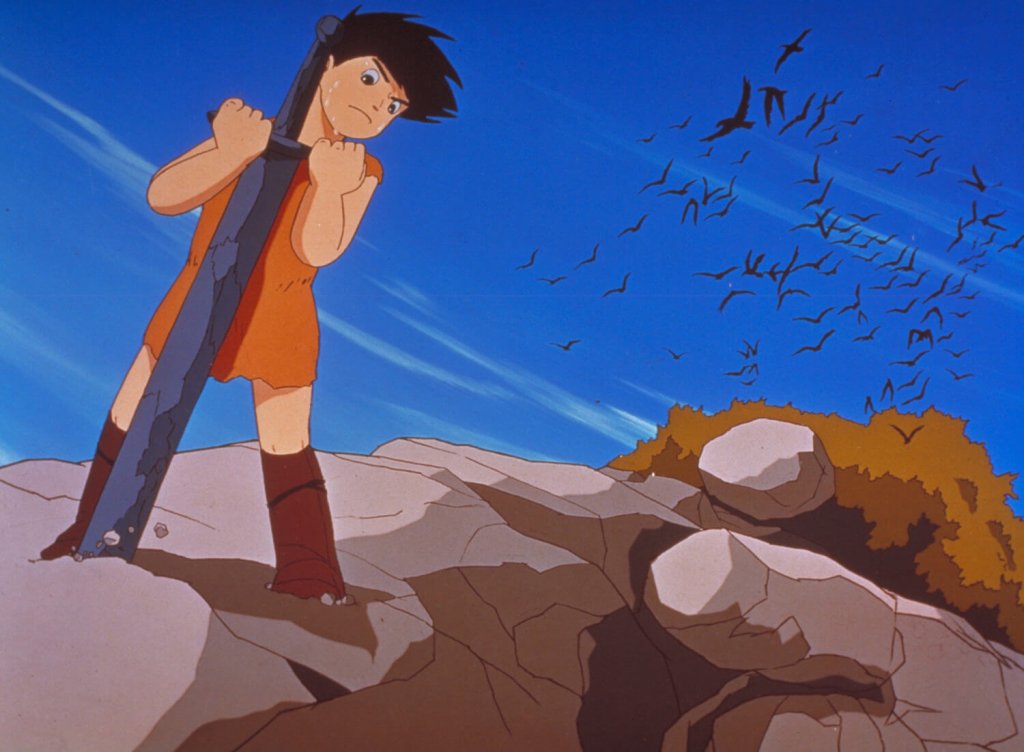
Though technically not a Studio Ghibli film, this 1968 masterpiece and directorial debut by Isao Takahata is more than worthy of mention. The first major film Miyazaki worked on, it was the start of a partnership from the pair which without I wouldn’t be writing this. Today the film is seen as a turning point in the history of animation for its technical merits but was unsuccessful in the time, leading to Takahata being demoted and struggling in the business until his partnership with Miyazaki. Set in Norway, it stars a young boy attempting to reclaim his homeland from a terrifying ice devil. It is intended for an adult audience, with a socialist message alongside violent and psychological themes. It is based on Ainu folklore, the people indigenous to Northern Japan, however to avoid racial controversy the setting was altered. The film took almost 3 years to make when at the time the standard was 8-10 months. Despite it’s initial failure it is now considered one of the greatest animated movies.

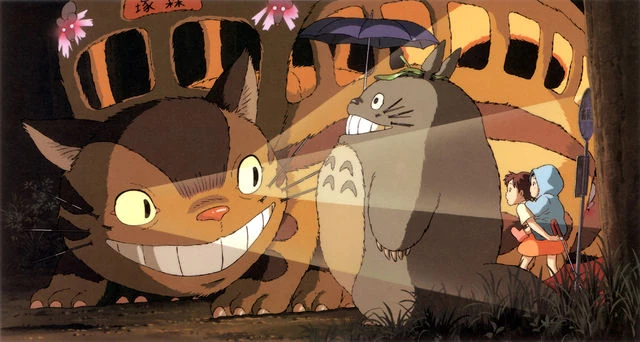
10: My Neighbour Totoro

Image result for my neighbour totoro

Perhaps the most recognisable title, due to the masses of merchandise seen worldwide, alongside the titular Totoro being the company mascot. This 1988 feature went from a cult following to a cultural icon, probably most comparable to something such as Winnie the Pooh, the film set Miyazaki on the road to success. It follows two young girls, Satsuki and Mei, who move to the countryside with their father in 1958. The carefree nature of the film, switching to a more serious tone with their mother’s state of illness, captures the heart easily, with memorable set pieces that many others would struggle to create in such a conflict free picture.

9: Howl’s Moving Castle

Image result for howl's moving castle

How did Miyazaki follow up his oscar win? With a film filled with stunning set pieces and memorable animation. 2004’s “Howl’s Moving Castle”, based on a 1986 novel of the same name, is set in a fictitious early 20th century European city. With magic, steampunk technology and war between kingdoms as a backdrop, the heart of the story follows Sophie, who is cursed by a witch and transformed into an old woman. She seeks out the magician Howl to aid her, only to end up working as his caretaker in his mechanical house, while he attempts to escape involvement in war. Not only is the film heavily critical of the Iraq war, with anti-war films at the core of its plot, it also struck a cord with many female viewers due to its feminist elements and the freedom granted to Sophie that comes with her age. It’s emotionally charged themes make up for any plot shortcomings, as this encompasses many of the themes explored throughout the Ghibli library of works. Also once I saw an old woman enter a cosplay competition dressed as Sophie and it was the most adorable thing.

8: Porco Rosso

Image result for porco rosso

Miyazaki’s 1992 comedy drama shows his true colours as someone obsessed with planes. Long stretching shots of classic aircraft flying over islands make for beautiful animation, showing the care that went into this film with a real world setting. An Italian World War I ace pilot is cursed, turning into a pig, and decides to spend his life as a bounty hunter. The film is heavily anti-fascist, with Porco Rosso on the run from the Italian secret police, while also being heavily feminist, the female characters being reliable and intelligent in comparison to the more foolhardy and comedic men. It was originally planned to be a short film for an airline, but grew into a feature length film acting as a homage to both aviation and early Hollywood.

7: The Castle of Cagliostro

Image result for the castle of cagliostro

Once again we have another film that isn’t technically a Studio Ghibli picture, however was Miyazaki’s directorial debut. This 1979 action-adventure comedy is part of the Lupin the 3rd franchise, which continues to have anime adaptions today since its 1969 pilot, though lesser known in the West it details the adventures of a group of master thieves and is well deserving of it’s continued life as a franchise. This film sees the titular Lupin trying to find the source of legendary counterfeit money, only to get caught up in the political struggle of a fictitious European country as he vows to steal away a young princess being forced into marriage. Gorgeous animation, hilarious moments and enthralling action sequences will keep you hooked, there’s never a dull moment in this great entry to an excellent franchise.

6: The Tale of the Princess Kaguya

Image result for the tale of princess kaguya

This 2013 feature was Isao Takahata’s final film before his death, however this oscar nominated picture became a modern classic. Based on “The Tale of the Bamboo Cutter” Takahata wanted to make a version of the story in which the protagonist can be sympathised with. Being the most expensive Japanese movie to date, it is about a bamboo cutter who discovers a tiny girl inside a bamboo shoot. He raises her as his own daughter but eventually commits to making her a princess worthy of her divine heritage, against her will of wanting to live a simple mortal life. Originally he wanted to make the film back in 1960, however his demotion at Toei Animation led to this becoming a dream. He really manages to capture the feel of a classic Japanese tale and a sprawling epic, with beautiful watercolour style sketches packing emotional depth and carrying a dream like feel.

5: Nausicaä of the Valley of the Wind

Image result for nausicaa of the valley of the wind

This 1984 feature is often referred to as the first Ghibli film, however was directed by Miyazaki under studio Topcraft which was to become Studio Ghibli. It was the first of Miyazaki’s films which Joe Hisashi worked on, the legendary composer renowned for his close ties to the company. A post-apocalyptic epic set 1000 years after the world was ruined by war, the protagonist is a princess who explores a poisonous jungle created in the wake of the war to try and find a way for humans to coexist with its mutant creatures. Crisis strikes when a rival kingdom invades, planning on using a deadly weapon to destroy jungle. Inspired by the adaption of nature, Miyazaki decided to build a polluted world to explore themes of environmentalism and anti-war, resulting in a film that would leave a major impact on the medium.

4: Spirited Away

Image result for spirited away

The most well known Studio Ghibli film, 2001’s “Spirited Away”, made history by being the only foreign animated film to win an Academy Award, with many others struggling to even get nominations. It could be said to have caused Japanese animation to become more popular in Western markets and was the most successful film in Japanese history. It follows 10 year old girl Chihiro, who after getting lost moving house with her family, finds herself in the spirit world where she must get a job at a bathhouse to survive and free her parents. The film manages to appeal to all ages, with a serious tone and colourful imagery, with a distinctly Japanese feel from the exquisite bathhouse to the range of creatures from folklore. The film is heavily influence by traditional Japanese folklore and buddhism, mixed with more presenting themes including being forced into coming of age through capitalism, Western capitalist influences, modern Japan and greed. Its fantastical themes are comparable to that of “Alice in Wonderland”.

3: Laputa, Castle in the Sky

Image result for castle in the sky

Probably my most controversial choice is holding this film so highly on my list, but this 1986 steampunk adventure feels somewhat overlooked when compared to their other titles. The studio’s first film follows a young mine worker who finds a girl floating down from the sky. They go on the run from the government and sky pirates, with the key to finding the legendary floating sky castle Laputa. Going on to heavily influence Japanese pop culture as a whole, the sense of scale and adventure in this one are great. The film is filled with medieval and gothic architecture, however the mining town setting is based on Wales, after Miyazaki visited during the mining strikes of the 80’s, admiring the miner’s way of life which has since vanished. Memorable character and beautiful animation make this film hard to forget.

2: Grave of the Fireflies

Image result for grave of the fireflies

Prepare to cry when watching 1988’s “Grave of the Fireflies”, based on a 1967 semi-autobiographical story of the same name. Set in Kobe city during World War II, it tells the tale of two siblings struggling to survive during the harsh living conditions and dangers the war brings to innocent civilians. Sad Japanese WWII films are something I can’t get enough of, heart wrenching and impactful tales often based on real world experience, they approach war themes in a way western cinema struggles to. Coming from a side where their everyday life was changed forever due to their loss, there is no pride or glorification, only guilt, horror and hardships. The visual impact of war is something live action films struggle to attain but comes much easier in animation, beautiful yet haunting set pieces and framing is plentiful here. Director Takahata has claimed that this is not an anti-war film, instead being a Japanese societal commentary, as this film focuses far less on the impacts of war compared to others such as “Barefoot Gen” or “In This Corner of the World”. Fun fact, as Takahata worked on this at the same time Miyazaki worked on “My Neighbour Totoro” they were shown together as a double-bill. Most theatres opted to show this first so patrons would leave the establishment slightly more upbeat.

1: Princess Mononoke

Image result for princess mononoke

“Life is suffering. It is hard. The world is cursed. But still, you find reasons to keep living”. This 1997 feature is a period peace, following a young prince who becomes cursed and sets out into the world for a cure. He gets involved in the struggle between the gods of the forest and the humans who consume their resources. More specifically he becomes involved with San, a woman raised by wolves with a hatred for humans, and lady Eboshi, the head of a mining village who would kill gods for profit. Key themes include environmentalism, disability and individualism, the film has excellent characterisation with strong female characters without ever having a character as an evil villain. All characters attempt to justify their actions, be it out of greed or anger, the conflicts at its centre are meant to be morally ambiguous. On top of its amazing animation, great pacing and wonderful soundtrack, “Princess Mononoke” is a complex enthralling masterpiece that is easily my favourite.

The Abstract Tales of “Near Death!! Ekoda-Chan”

Watch Rinshi!! Ekodachan Episodes Dub | Comedy, Slice of Life ...

I was unfamiliar with the source material of “Rinshi!!” Ekoda-Chan”, a series of 4-koma or 4-panel gag manga which ran from 2005-2014, but what attracted me to the 2019 series was the unique production style. They gave twelve directors free reign (within reason) to each create a 3-minute short based on the source material, which included the art style, lead voice actress and music composers. As such this was an art series which, thought nothing revolutionary, was an interesting look into how different key figures in the industry interpret the same work in different ways. It’s also an educational insight into the medium of directing, with each episode also followed by a 22-minute interview with the director, lead voice actress and occasionally additional staff. I didn’t watch these segments in full though, it depended on the ratio of how much they talked about their vision for the episode versus how much was spent on irelevant stories like how the production team met.

Image result for rinshi ekoda chan manga

The manga is the sole work of Yukari Takinami and ran in the “Monthly Afternoon” magazine for an adult audience. Being 25 when it began publishing, Yukari based the manga shorts off her own life as a single woman in Tokyo without a goal, drifting between relationships and jobs (usually hostess bars). Clearly it’s aimed at a very specific audience, relateable shorts for working women, despite most anime directors being middle-aged/elderly men. Titular character Ekoda seems to be framed as an out-there city woman who sits at home naked and battles against “moukin”, or “birds of prey”, women who use cuteness as a weapon to get ahead. There was a previous series of shorts in 2011 however it isn’t widely available. Though there are many other series consisting of different director’s works, it’s rare to see such a variety of takes on the same property.

Episode 1 – Directed by Daichi Akitaro

Previous Works: “Fruits Basket”, “Now and Then, Here and There”, “Sexy Commando Gaide”, “Nurse Angel Ririka SOS”, etc.

I remember the interview of this episode specifically as it starts with Akitaro saying how the shows he’s worked on similar to this didn’t do well and that he was tempted to turn down working on this because he doesn’t like having so little time to tell a story. Not the best way to start your series off perhaps. He has a lot of previous directoral roles but they vary a lot in quality, many just being average with somewhat heavy handed plotlines. He seems to have a “tell rather than show” style.

This is a very “by-the-books” adaption leading to just a generally fine episode. It’s made up of four short segments that give a good showcase of the character and the tone, seperated by short clips of her dancing naked to lively music. The first sketch covers the difficulty of seeming mature for her age, the second is about societal independence meaning less chance to rely on others, the third about people being physically draining and the last about feeling like she’s gone nowhere in life. None of the jokes hit particuarly well nor is the art style used in an interesting way, instead just looking cheaply made. The rhythm of the show works well however, you can tell he wanted to get through as much content as possible but in the end this was more detrimental.

Episode 2 – Directed by Sugii Gisaburou

Previous Works: “Dororo” 1969, “Night on the Galactic Railroad”, “Street Fighter II Movie”, “Arashi no Yoru ni”, “Glass Mask”, etc.

This is a far more interesting episode than the first (and not just because I’m a huge fan of Gisaburou’s “Night on the Galactic Railroad”). Gisaburou is considered a classic director, with his use of dramatic and meaningful set pieces. This episode consists of Ekoda sat plucking her eyebrows and lining the hairs up in rows on a handkerchief, while her partner she’s sharing a bed with speaks to his girlfriend on the phone, saying how he’s “definetly not seeing anyone else”. A “battle of attrition” is the term used, and each pluncked eyebrow represents the pains of each day which she lines up with a sort of pride. The other metaphor used is waiting for her train to come, surviving the desert heat with that hope in mind. The skit with her overthinking how to lie in bed because it could show her as needy or distant is particuarly amusing, overall this is one of the series’ stronger episodes.

Episode 3 – Directed by Akira Shigino

Previous Works: “Yatterman”, “Osomatsu-kun”, “Magical Idol Pastel Yumi”, “Chou Kousou Galvion”, etc

In this episode all the characters are animals. There doesn’t seeem to be a reason for this other than to achieve a more lighthearted tone with the humour and other than that their isn’t too much to say about this episode. It has a similar format to the first with short skits seperated by a still shot of Ekoda with a rose in her mouth, however the overall tone between them seems far more streamlined, perhaps due to the colourful art style. The director is know for more lighthearted family comedies and that certainly comes across here. The general style of these skits sees Ekoda more as a third party, commenting on the aforementioned “birds of prey”, jealousy with her sister and aquaintances’ stories of romance. It seems more like he wanted to depict Ekoda as a hard worker who gets the short end of the stick generally.

Episode 4 – Directed by Tomomi Mochizuki

Previous Works: “The Ocean Waves”, “House of Five Leaves”, “Battery”, “Pupa”, etc

This is one director with a mixed track record, personally I’m not a fan of his style and though this episode is decent I found it one of the most forgettable. This episode weaves together a few sketches to chase the idea that by being too independant she never realised she was cutting herself off from others. Here Ekoda is not a typical woman, but her uniqueness acts as self sabotage. A lot of the focus here is on her relationship with her partner “Ma-kun”, or rather how he sees her as a friend with benefits. He doesn’t want what she wants but Ekoda is too unwilling to act, just taking life as it comes and realising that it has escaped her. The themes are clear and the episode is going for a laid back feel, but with the toned down art style there isn’t really much great in this one other than the interesting take on the character which Mochizuki seems to have.

Episode 5 – Directed by Yoshitomo Yonetani

Previous Works: “Betterman”, “Food Wars”, “GaoGaiGar”, “Vatican Mircale Examiner”, etc

The art-style does a lot for this episode, with pencil like sketches really standing out, working well with the more whimsical nature in this short. Fast paced and weird (in a good way), Ekoda paints herself to become a hero before taking on a lizard, cockroach and mosquito. The idea seems to be that she is too carefree to live as a pet owner, with only a little bamboo plant in her home. It also flashes back to other manga skits, some of which were shown in previous episodes, but just using the punchlines so it largely works well. The way they show motion through the animation is visually pleasing, while the sound effects and music being done by human voice is a nice touch. Yonetani has shown himself to be a decent director and though this episode isn’t the most stand-out it’s weirdly fun.

Episode 6 – Directed by Ryousuke Takahashi

Previous Works: “Armoured Trooper Votoms”, “Blue Comet SPT Layzner”, “Flag”, “Gasaraki”, etc.

This is the rotoscope animation episode. Rotoscope is the process of animating over live-action footage frame by frame, giving a strange uncanny-valley feel. I’ve always liked the process because of how unusual it is, though many would regard it as “ugly”, having notably fluid animation and often choosing a more realistic and muted colour scheme to match. Takahashi is also considered by many a classic director for producing some hit, but mainly more niche, mecha series, in particular “Votoms”. As such this is a very different approach than I’d except for one usually dealing with the fantastical and melodramatic, a down to Earth depiction of a working woman. Aiming for a nice and positive feel rather than going for humour, as Ekoda returns from work and cooks naked before recieving a call and abandoning her meal for a night out. It tries to push the metaphor that women have many sides to their personality and that at her age she still has a youthful cunning to her, a passion that she has yet to abandon. Overall enjoyable but quite forgettable.

Episode 7 – Directed by Shin Misawa

Previous Works: “Gingitsune”, “Hang in there Tsuyoshi”, “Time of Shura”, “Fire Emblem”, etc.

Misawa is a man without many works under his belt, other than “Gingitsune” many are unknown in the West and have little acclaim. This is an episode that manages to work well as an entertaining and fun idea. The concept is based around the “red string of fate”, a sort of Eastern fairy tale (with a gruesome basis) that binds lovers together. The majority occurs in Ekoda’s dreams, as she discovers the aforementioned “Ma-kun” is not bound to her, so she attempt to follow her string into a giant sky ball of string to try and tie their fates together. This leads to her failure and realisation that the only people in life she has a fate with are her mother and sister. It’s a dark take done in an amusing way. The background art and spectacle are impressive, however the character art doesn’t quite match, looking a little out of place.

Episode 8 – Directed by Masayuki Kojima

Previous Works: “Made in Abyss”, “Black Bullet”, “Master Keaton”, “Monster”, etc

Kojima largely handles adaptions closely to the source material, small changes to keep the vision of the creator the same. It’s good to see him get a little more freedom here, as he centers the episode not on Ekoda but “friend M”. It starts with “M” at a party, drinking with a table of drunk guys who are discussing rumours about Ekoda, like her real job, asking where she is. It’s based around her friends growing jealousy but when she goes to see Ekoda and sees her dateless she kind of forgets about that, caring for her instead. It’s a sort of friendly rivalry and respect that shows how others view the titular character, as someone living a carefree lifestyle with its ups and downs. I really like the letterboxing effect as if it’s being shown on a CRT and the way the artstyle juxtaposes the sharp character models on a flat less-defined background looks great. An episode that doesn’t say a lot, going by quickly, but charming nevertheless.

Episode 9 – Directed by Takeo Takahashi

Previous Works: “Citrus”, “Maoyuu Maou Yuusha”, “Spice and Wolf”, “Rokka no Yuusha”, etc

This was actually one of the most memorable episodes, with the whole short being told from a first person perspective as Ekoda works at an insurance company call centre. The way you hear her inner thought trying to pass the time, to find joy in her menial task, is really entertaining and works great in making her seem like more of a relateable character. By having more people in the shots across the office it feels less like a look into a woman’s sad private life and more like she’s being watched as part of the corporate machine. She’s unable to even stop when disaster strikes and her work colleagues go mad at a sudden change to their routine. Visually this episode looks really nice, more due to the lack of first person viewpoints used in the medium. It’s a shame that this was the only episode without a director interview because he gets anxiety being on camera apparently.

Episode 10 – Directed by Hiroshi Nagahama

Previous Works: “Aku no Hana”, “Detroit Metal City”, “Mushishi”, “The Reflection”, etc

The worst episode. NEXT!

Okay I guess I have to talk about it. I had hope in the first 15-seconds as a bright blue and yellow Ekoda appears on screen in front of the chair from “Mastermind” for a quick introduction. The rest of the episode is a song about Ekoda, sung by five voice actresses sounding like they’re having an emotional breakdown while stood behind a curtain with their heads inside puppets that then have the faces animated over. Nagahama directs some weird shows but this is the most bizarre thing, if you can call it his work. The idea was actually from his modern artist friend who makes mannequins and he though “it’d be so weird that people would find it hilarious”. Well it’s so weird that it’s kind of terrible, so you met one of your goals there. The song lyrics aren’t even amusing, it’s just a general summary of Ekoda’s personality.

Episode 11 – Directed by Osamu Kobayashi

Previous Works: “Beck”, “Paradise Kiss”, ” Someday’s Dreamers: Summer Skies”.

30-seconds into this episode I thought “I bet this guy directed Beck or something”, low and behold I was right. This episode is my favourite visually, with the sketched aethestic looking gorgeous, while Kobayashi’s signiture “rock” style is apparent. Surprisingly Kobayashi hasn’t worked on many shows as chief director, thought I can believe that from the interview which is done not in the recording studio but at what looks like a bar. The interview is more of a conversation between him and his four voice actor/musician friends who he had in the episode, without them actually talking much about it, as music seems to be his main passion. This is actually a good thing, as the material of the episode works better with the director’s style, with great music and art. The episode consists of Ekoda going on a date with a rock fan, then a shoegaze fan, who seem obsessed with their musical choices rather than paying her due attention, labeling them as “worthless guys”. This is one of the standout episodes and very enjoyable to boot.

Episode 12 – Directed by Kouji Morimoto

Previous Works: “Memories”, “The Animatrix”, “Genius Party Beyond”, “Fly! Peek the Whale”, etc.

Morimoto is one of the founders of Studio 4°C, a studio well known for their shorts and video game cutscenes, and as such he works almost exclusively on shorts which is a rarity. This interview section is actually pretty great as it starts with him saying “they told me I could do whatever I wanted but then they kept turning down my ideas saying we couldn’t do that. So what if there are nipples, we all have them so I don’t see an issue with them on a late night cartoon”. Though the animation frames here are limited, it looks more stylish than cheap (unlike in episode 1) with the sharp lines and colour flair. The focus of this episode sees Ekoda sat watching TV in her apartment while pretending to be ignorant of her age to maintain her carefree attitude. It’s one of the few humour based episodes where the joke punchlines actually hit quite well. Plus what better way to end this bizarre series than by having her heart swayed by catgirl idol singers before flashing a stalker. I feel like the show is trying to display the importance of living life as you see fit and not worrying about expectations or the “norms” that society puts on women, especially in Japan.

Depression Born Romance – “After the Rain” Review

(The second part of my Anime News Network application.)

Synopsis

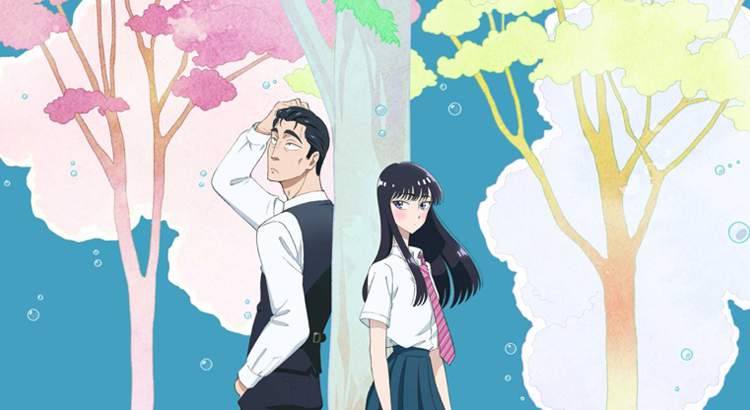
Akira Tachibana was set to be the star athlete of her high school track team, until a severe foot injury put an end to her career. Lost and withdrawn, the high schooler finds solace in her part-time job at the Garden Café, or more specifically in the Café’s middle aged manager whom she develops a crush for. Masami Kondo is a single father who spends his waning years recalling his youth and the dreams he left behind. Can this reserved girl find a way to express her feelings for him? Beneath the pouring rain, they find something in each other, a kindness amongst the storm, but can they see the light that comes after the rain.

Related image

Review

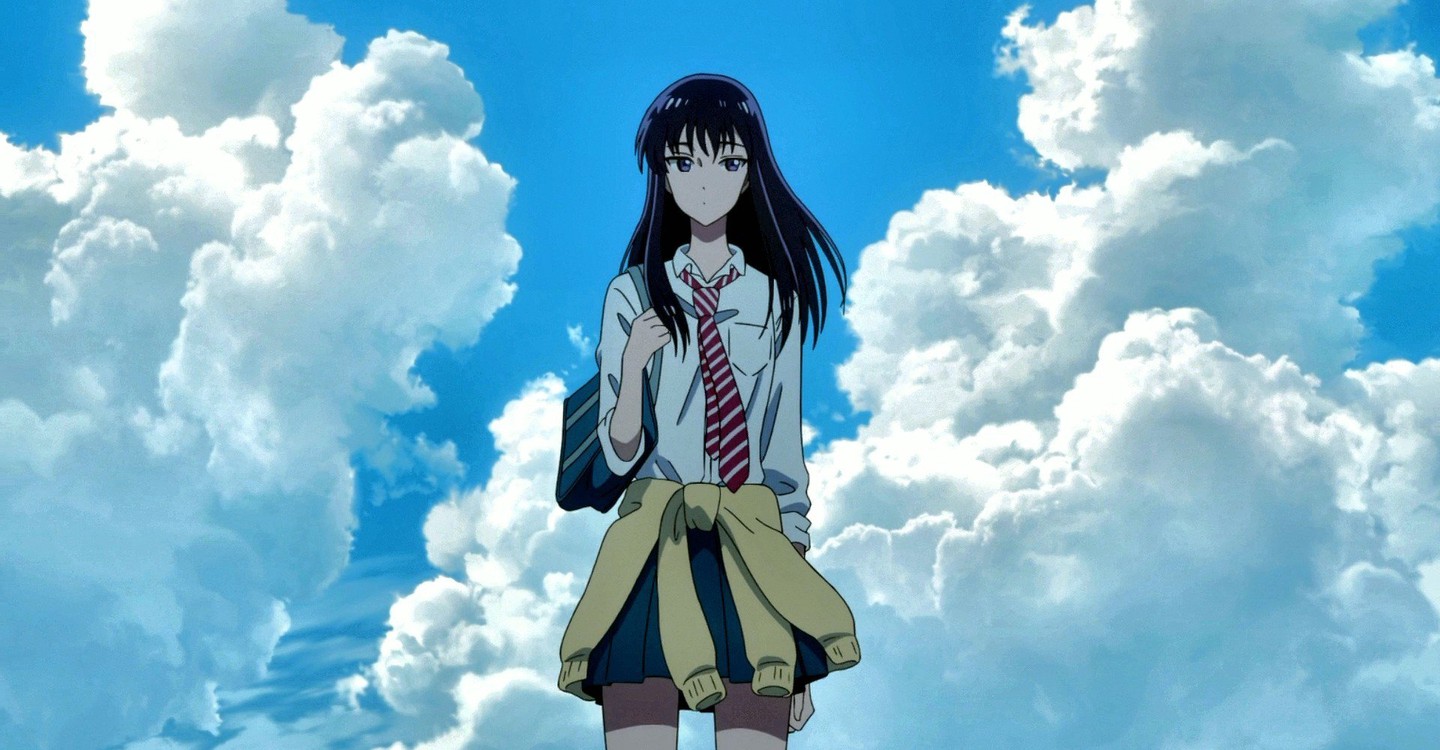
Directed by Ayumu Watanabe, whose previous works include Space Brothers and Mysterious Girlfriend X, and based on the manga by Jun Mayuzukia, comes a show about a 17-year-old girl falling in love with a 45-year-old single father. My initial reaction to this show’s premise can be easily summed up with a simple word:“nope”. I thought I’d know exactly what I’d be getting into, an uncomfortable age play fantasy where any middle aged salaryman can bag himself a teenage girl.  If I had stuck with that original gut reaction then I would’ve missed a gem of a show.

The premise for “After the Rain” is highly misleading, as despite itself this show is not a romance with a considerable age gap. This show is about two broken characters, people coming from different generations and different worlds, and how they inevitable effect one another’s lives. The show opens with protagonist Tachibana raising her head from her school desk, earphones falling out to find an empty classroom. This moment perfectly displays her feelings of being alone, someone who has been left behind by her cohort. The song she’s listening too in this moment is a nice play on words “Ref:rain”, as all that fills her mind is her own refrain, the idea that she’s holding herself back… that is until the song ceases as her phone flashes with “work”.

Related image

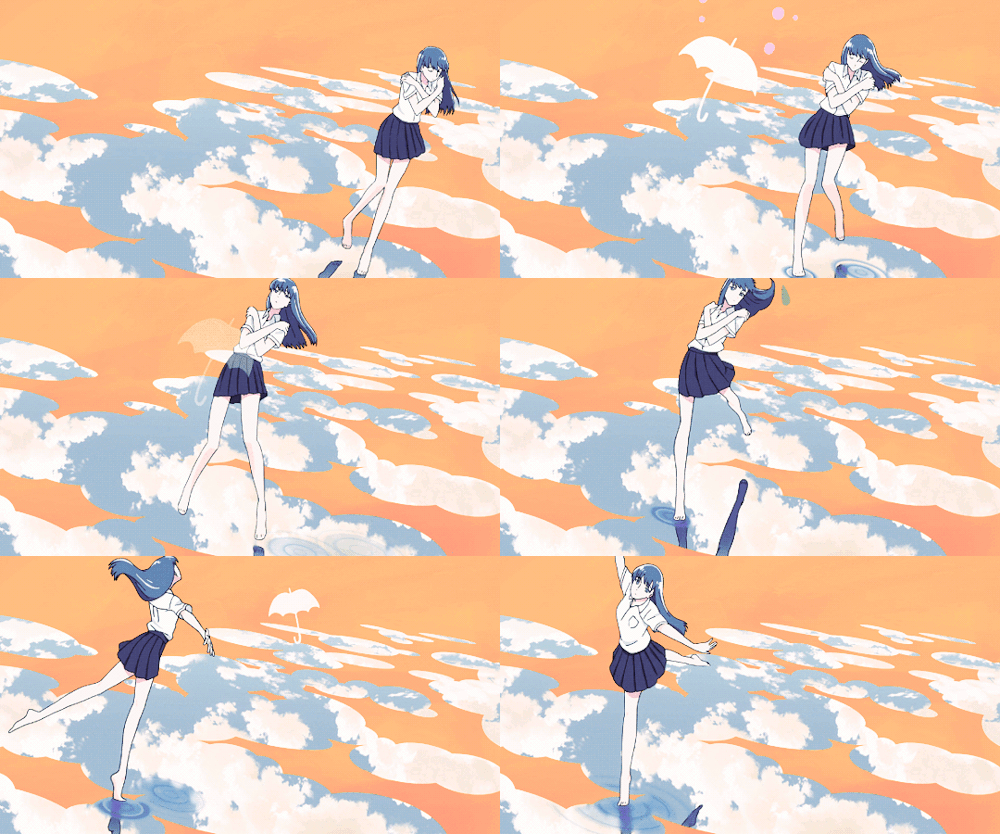
The upbeat atmosphere of the vibrant, fun opening filled with cute animals and the theme of love creates a harsh contrast to the show that follows. This opening sequence represents the desires of Tachibana, to be seen as a woman, confess and learn about love, a fantasy in comparison to the moody atmosphere created through the imagery of the rain. Though using weather as a metaphor for the protagonist’s emotional state is a fairly simple writing technique, the way it so closely links throughout the show’s entirety to a character who struggles to express herself is in no way lazy.

The title of the show reflects this feeling, Tachibana is waiting for the turmoil in her life to end. Rather than following a character who fights for romance we follow one who is looking for shelter from the rain, waiting for it to blow over, a shelter represented by the Garden. The Garden is a family restaurant run by Masami Kondo, a place she first visited after her accident where the kindness of the restaurant manager gave her a new place to belong, somewhere to run away from her problems under the guise of a part-time job.

Related image

Tonally the show itself is very mellow, it’s use of soft colours complementing a more reserved shoujo art style. “After the Rain” is at its core an aesthetically pleasing series, attractive visuals as the kind of show in which the attention of shots will linger on background details, framing used to give the world a familiar tone. In addition realistic but unique character designs give feeling to a number of the cast. The sound design compliments this exceptionally well, but is very muted, not a soundtrack that one would listen to on its own as the music is used more to set the tone rather than deliver emotional punches.

By switching viewpoints and narration between Tachibana and Kondo, the show manages to maintain a balance between typical shoujo and seinen writing styles, without falling foul to typical conventions of either. This is something that comes forth as one of the show’s greatest strengths, managing to explore two very different characters without appealing to one sole audience. “After the Rain” takes inspiration from renowned film director Akira Kurasawa, which can be seen through its pacing and framing, sharing its name with the final script Kurasawa wrote and mirroring certain themes from “Rashomon”.

Image result for after the rain anime

Part of the show’s depth, something potentially lost on a Western audience, is the Rashomon effect. This is the concept of various characters showing different interpretations of the same incident, displayed in how the moments shared between Tachibana and Kondo have a different impact and implication upon both. The show references and at one point has the characters discuss their interpretation of the moral ambiguity of thieving to survive, highlighting their standpoints as very different characters whose approaches are not subjectively wrong.

Focus on the two protagonists is key in “After the Rain”, both to the show’s strength and detriment. Though Tachibana is very well realised as a character she’s hard to relate to as a sports prodigy who suffers an accident and longs after a middle aged man. On top of this being emotionally reclusive mean the show is often a slow exercise in ‘show don’t tell’. In comparison, depending on the individual, Kondo seems like a much more relatable character. Someone openly acknowledging a lifetime regrets and mistakes but still showing room to grow makes him an inspiring character. His problems are more applicable as someone who has forgotten his grounded dream of writing to find he’s devoted his life to work.

Related image

Outside of these characters that make up the show’s core, the rest of the cast seems more throwaway. Akira’s childhood friend Haruka is given significant time but seems more two-dimensional in comparison. Though not a bad character the subplot of their rocky friendship has more appeal from Akira’s standpoint than Haruka’s attempts to understand her emotionally recluse fallen idol. Though other characters have their memorable moments their plot points are pushed aside towards the series ending, given too little time to have a significant impact. This gives the impression that the course of the plot wasn’t entirely plotted during writing. One such plot point sees a workmate blackmailing Akira into going on a date with him, this quite sinister turn seems out of place but is pretty much forgotten afterwards, they still work together with little impact leaving me feeling like what was the point? The largest hurdle for enjoyment here is still the misleading direction, those looking for romantic impact rather than a character drama will likely end up disappointed.

 “After the Rain” is a series that may struggle to connect with some, choosing to slowly and tenderly pull at your heart strings rather than provide hard hitting emotional moments, however doesn’t fail to impress with a grounded and interesting take on a taboo topic. Akira and Kondo aren’t learning to love each other, they’re remembering how to love themselves again. Despite ending with a sizzle rather than a bang, that’s fine, because the journey this show took me on isn’t one I will forget any time soon.

Related image

Grade

Overall (sub) : A-

Story : A-

Animation : B

Art : B+

Music : B

+ :  A pretty and touching yet mellow tale, written with consideration of the mental struggles all ages are faced with. Beautiful design leaves a lasting impression.

– : Music is only fine, animation is only okay in comparison to the art design. Misleading direction.

LGBT Representation in Modern Anime

(I actually wrote this earlier in the year as part of an application I sent to Anime News Network. Still a little salty that I didn’t get a reply so might as well post it here.)

I was catching up with the recent anime adaption of the game “Persona 5” when a certain inclusion reminded me of something I had hoped to forget. It was 2017 and I’d finally gotten my hands on “Persona 5”, a game I’d been highly anticipating as a fan of the franchise, but the delays seemed to be worth it for the stylish, engaging product we got. Well for the most part…. There was one moment in particular that rubbed me the wrong way, the appearance of these two characters:

The recurring characters of Beefy Trendsetter and Scruffy Romantic left me with one question, why are characters like this still appearing in this day and age? “Persona 4” came out in 2008 and that had a character struggling with their sexual identity in addition to a potentially dateable male character. While the latter was pulled just before release, this felt like a step in the right direction. It felt like a punch in the gut seeing these outdated comedy stereotypes of gay sexual predators making advances on teenage boys. It’s not funny especially in contrast with the attempts of the game to approach serious topics such as sexual harassment of female students by a teacher.

That being said I don’t think the choice to include these characters was done out of malice, in fact the game also features a character in drag running a bar who is presented much better. It feels more like a lack of understanding as to why this sort of representation is wrong. Every country has had its own issues with LGBT representation, Japan being no stranger to this. An example being comments by lower house liberal-democrat politician Mio Sugita in July of 2018 calling same-sex couples “unproductive”, questioning whether they were deserving of equal welfare benefits. Not the only comments of this nature made by the ruling house member. This led me to thinking, as an artform how does anime of the 21st century deal with a hot topic such as LGBT representation?

BL and the Okama Effect

BL, or Boys-Love, is the first thought of most when they think of gay representation. However despite a notable manga following very few anime are released in this genre. There is also a gray area as to what defines BL, being made up of yaoi and shounen ai depending on the romantic vs sexual aspects of the character’s relationships. Exploring the ideas of “forbidden love” comes with its own problematic notions, early anime adaptions often being classed as hentai with sexual harassment rather than depicting healthy same-sex relationships, something which gives the genre a bad impression amongst anime fans.

Questionable themes are still prevalent, an example of this being 2016’s “Super Lovers”, following an 8-year-old adopted by his 16-year-old step-brother. Though this 8-year-old eventually becomes 16, the not-at-all subtle undertones of child grooming were more than enough to put BL fans off. There is a definite market here, as is obvious by the popularity of sports anime amongst the BL fandom. Despite this numerous studios are unwilling to adapt some of the more well received BL manga. One example of this is “Doukyuusei” or “Classmates”, a 2016 movie adapting the short 2006 manga of the same name by Asumiko Nakamura, depicting a sweet and simple romance between two male classmates from their initial development of feelings for one another to balancing this young love against their future aspirations.

Though representation in this field can often be respectful, this is still a niche genre unlikely to reach further than its niche audience, so how is the LGBT community represented in a more mainstream sense? Outside this specific subgenre, many references to homosexuality are in line with a character created in the 1980s, Homoo Homooda, often depicted as an over exaggeration of homosexual stereotypes with dark drawn on stubble, heavy make up and a lace fan. Not only did this character introduce the slur “h**o” to Japan but became the go to depiction for “okama” (a slang term for gay men). The extent of this stereotype’s usage in anime varies: however, being seen in popular shows such as Leeron from Gurren Lagann and Bon Clay from One Piece, who despite showing outdated characterisations are often depicted as reliable, understanding and heroic individuals.

Devilman in the Franxx: Polarising Opinions

More modern takes are starting to move away from these tropes to tackle representation itself. Two very different approaches can be seen in two of 2018’s most popular series, “Devilman Crybaby” and “Darling in the Franxx”. The 1972 “Devilman” manga saw people turning against each other over fears that any regular looking person could be a devil in disguise, only for humanity to prove themselves as the greater monsters. Though the theme of non-heterosexual love was present in part, director Masaaki Yuasa’s foray into the franchise took these themes and broadened them to compare the “Devilmen” and homosexuality in a fascinating take. Devilmen are individuals with the heart of a human and the power of a demon, similar to protagonist Akira, with the introduction of two reimagined Devilmen to this adaption for the sake of this comparison.

The first is Miko, childhood friend of track team star Miki Makimura, whose life in her shadow has spurred a jealous hatred towards her alongside feelings of worthlessness, seen as she allows men to have their way with her. This is the original impression we’re given of Miko, but over the course of the series it is revealed that this isn’t her true character, but a façade that she tries to trick herself with in an attempt to hide her true feelings of romance towards Miki. She comes to this conclusion after finding no pleasure in either sexual or romantic advances from men, followed by her transformation into a devilman and her coming to terms that it’s okay to show who she truly is as those she cares about most will accept her no matter what, even if she is shunned by society.

At the other end of the scale we are introduced to Koda, a famous up-and-coming athlete more willing to accept his sexuality and identity as a devilman. A character surrounded by rumours and whose identity resulted in the accidental death of his lover, he has no one to rely on, instead believing society’s claims that he is a monster, someone who cannot fit in and instead chooses to join the demon’s side. Yuasa manages to seamlessly introduce underlying themes of sexual identity and societal expectations into a classic work without them appearing out of place, subtle comments that one does not need to notice to enjoy the work.

In comparison the comments on homosexuality made in “Darling in the Franxx” stick out like a sore thumb. Though much of it’s fanbase turned against the show due to “lazy writing” towards it’s finale, the seeds of disappointment were sown considerably earlier. The show features teenagers piloting mecha in a two-person unit, one male one female, a sexual metaphor that is in no way attempting to be subtle as they have to synchronise and rely on each other while the male character holds the female’s “butt handles”.

Enter Mitsuru, a character initially portrayed as a rival attempting to prove himself superior to our protagonist Hiro. However it is later revealed that this hatred stems from his true feelings of love for Hiro as the first person who showed him any affection and the person who gave him his name and identity. At the time I was interested as to where this was going but did not expect the character to be told that he was not in fact in love with Hiro; he was just confused because Hiro showed him affection. Over the course of the series another character “Kokoro” develops feelings for Mitsuru, which he does not reciprocate, however the show frames it as his duty to give up on his dream of piloting a mecha with Hiro and instead he must father Kokoro’s child, growing to love her over time and acting as a reliable husband.

To emphasise these themes, they’re repeated with a fellow pilot Ikuno, who expresses her love for squad leader Ichigo and her desire to pilot with her, only for this to be shrugged away as mistaken kindness. Following this we do get a scene showing a same-sex piloting attempt, but Ichigo is uncomfortable and half-hearted making this seem unnatural. This results in Ikuno remaining paired with fellow outcast Futoshi, who isn’t physically good enough to provide for Kokoro and has a scene where he acts as the priest for her wedding, taking on a literally celibate role. While “Devilman Crybaby” highlights the need for acceptance, “Darling in the Franxx” highlights the ideology of homosexuality being unproductive for society and the greater good.

The Influence of a Director’s legacy

One of the most well-known directors when it comes to LGBT representation in anime is Kunihiko Ikuhara, who despite his small portfolio has produced cult classics as the creator of “Revolutionary Girl Utena” and director of a significant amount of “Sailor Moon”. “Sailor Moon” created a phenomenon with the inclusion of one of the first canon lesbian couples of Sailor Venus and Uranus, while Utena saw a unique spin on the shoujo genre with a lead female aspiring to the role of a dashing prince and providing a psychological exploration of sexuality. Yet after this there was a notable gap of 12 years before his next significant directorial role in the 2011 show “Mawaru Penguindrum”.

While no stranger to controversial topics this series took a back step from homosexuality, the theme appearing in only a minimal amount of episodes surrounding the character of “Yuri”, who is initially presented as a strong yet elegant shoujo style character. However, another hidden side to her is revealed, characterised by the love she held for her deceased childhood saviour Momoka, leaving an emptiness that no man can fill. Despite believing herself to be an ugly human who requires fixing, someone who’ll never be accepted according to her father and sole family member, it’s the acceptance of a caring stranger that gives her a place to belong, a love that becomes her identity not just a passing phase. The depiction of this character shows her as imperfect though, abuse by her father has in turn caused her to be uncaring and abusive to others, while less of a statement on her sexuality it does lead to one uncomfortable scene in her actions towards another female character.

Ikuhara’s next foray into animation, 2015’s “Yuri Kuma Arashi” or the literal translation “Lesbian Bear Storm”, returned to focus on societal views of homosexuality. This show was widely divisive and failed to garner the popularity of Ikuhara’s previous works due to its attempts at comparing the portrayal of lesbians in wider media with anime fandom, rather than attempting to appeal to the yuri fanbase amongst other criticisms. The plot centres on the segregation of two separate worlds with two separate ideals. The human world sees lesbianism as a secretive activity to be kept behind closed doors as the young maidens of this world must retain their purity, their romances are very of the moment. It is in this world that the invisible storm occurs, a force that punishes those society chooses to exclude or rather those who choose to act outside the norm and display their sexuality rather than allow it to remain hidden. This is a clear statement on the lack of acceptance society has for homosexuality, expecting this to be just a phase of youth, while commenting on the yuri genres idealistic views of pure love alongside unrealistic standards of femininity and solidarity.

In comparison we see the world of the bears, who despite their cute appearance are dangerous predators that must be hunted down before they taint youth’s innocence and eat them leading to their death, portraying lesbianism as a danger towards youth that must be ousted. As a vicious form of sexuality in comparison to a chase one, both are shown as broken realities. With love portrayed between our two protagonists, between a bear and a human from different worlds, a love they must constantly stand trial for, must constantly defend, it is deemed a love that does not belong in either world. In other words a healthy homosexual relationship falls foul to a lifetime of oppression. The ideas explored are not new in the world of yuri manga, with many titles exploring relationships between adult women. Hence these arguably dated ideas affected the impact this show had at the time of its release rather than it’s more pressing societal commentary.

The Struggles of Trans Recognition

Though homosexuality is still a niche theme in anime it is far more prevalent than other LGBT areas. This is one of the reasons for the notoriety of “Wandering Son”, a 2011 series based on the long running manga of the same name providing a respectful yet serious take on transsexuality and gender identity of teenagers. The show follows Shuuichi Nitori, who despite being male enjoys wearing women’s clothing and appearing effeminate, and their classmate Yoshino Takatsuki, who is uncomfortable with identifying as female, choosing to attend school in the male uniform, for example. They find comfort in one another, with Nitori displaying a longing to be a female in love with a male Yoshino.

The plot not only explores gender identity but the conflicts that come with this, discovering yourself through puberty, how this affects your relationships, acceptance from family and friends, all while displaying a childlike innocence in its approach as mirrored by the soft colour palette and art style. A prime example of this occurs in the episode where Nitori plans to attend school in a female uniform, unable to see what sort of reaction this would have, stubborn in his resolve despite the advice of his friends because if female students can wear a male uniform why can’t Nitori do the reverse. “Wandering Son” is unique in its resolve to approach a difficult topic in a genuine and often harsh way, choosing realism over sugar coating, one which pays off by promoting better understanding of trans identity.

With Ikuhara’s new show “Sarazanmai” set to release in April it is theorised that this work will centre on homosexuality in teenage boys, further pushing the development of sexual representation in anime. Though negative depictions still exist in modern Japanese animation, anime exists as a unique means to express commentary on current Japanese society and to push boundaries in both a positive and negative light. The popularity of recent manga such as “My Brother’s Husband” and “My lesbian experience with loneliness”, exploring the sociological aspects of homosexuality, show that now more than ever there is a market for LGBT representation across various media forms. Especially in Japan following years of such topics being unwelcome discussion in light of social conformity and a lack of LGBT rights.